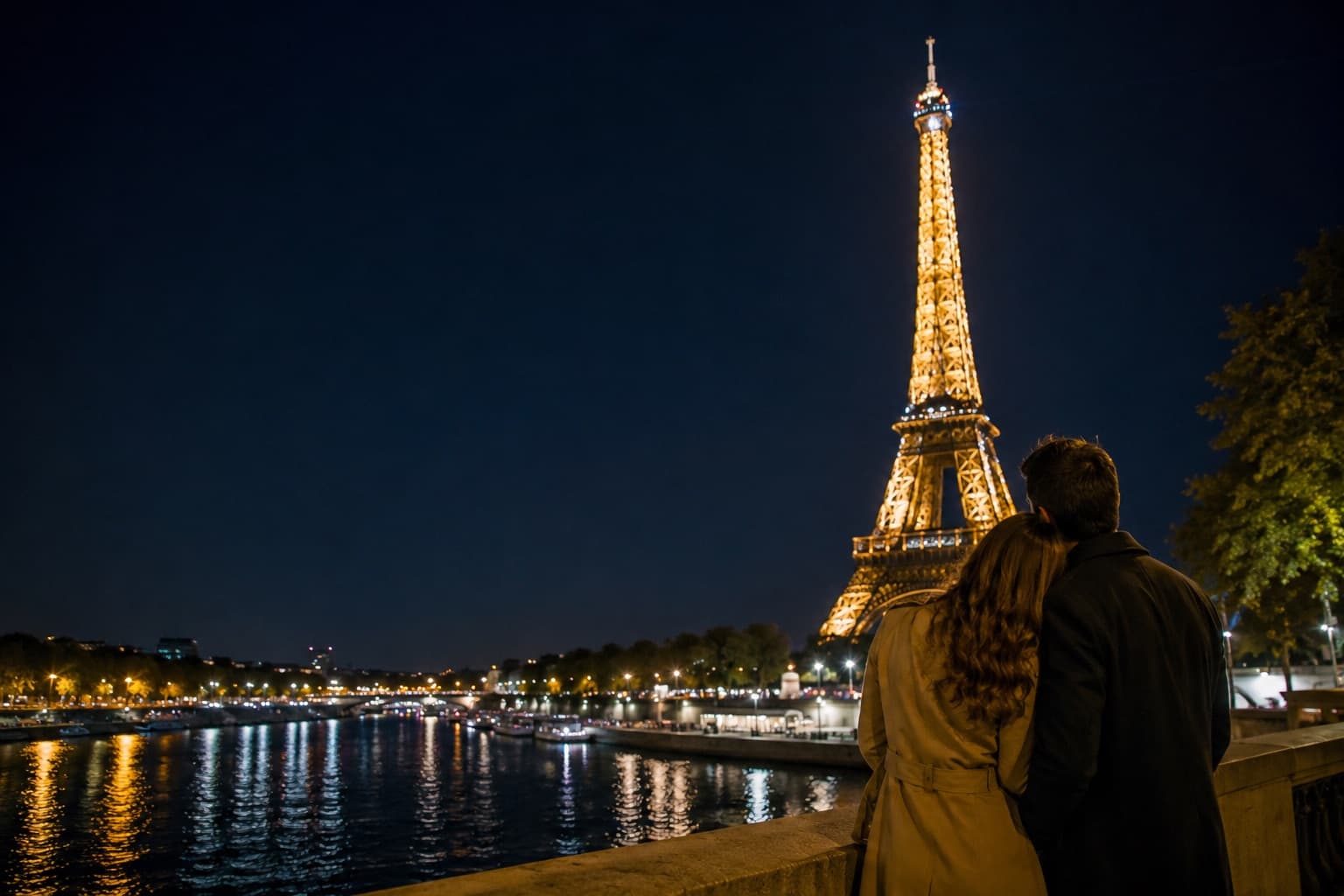
Western, Central & Eastern Europe · Scandinavia
Europe
Paris to the fjords, planned as one long journey rather than four short ones
- Typical shape
- Open-jaw: into one country, home from another — routing built around your choices
- Visa
- Schengen and UK entry requirements differ — we'll guide you on the current requirements
- Currencies
- Euro across most of the circuit; also CHF, GBP and the Nordic currencies
Seventeen countries, one circuit, one conversation. We used to sell Europe as four separate regions — Western, Central, Eastern, Scandinavia — but the trip itself never respected that line, so neither do we anymore. Wherever you start, we route the whole continent as a single itinerary and help you choose the two or three countries that belong in this particular trip.
Western Europe is where most first trips begin — Paris and London joined by a two-hour Eurostar, with Amsterdam's canals and Bruges' medieval lanes an easy detour either side. Central Europe is the Alpine core: Switzerland's high passes, Austria's lakeside villages, Bavaria's fairy-tale castles and Prague's unbroken skyline, four countries and one Schengen visa.
Eastern Europe is where the trip turns toward discovery and value — Budapest's Parliament lit over the Danube, Dubrovnik's walls above the Adriatic, Kraków's old town, Bran Castle in the Carpathians. Scandinavia sits furthest north and asks for the most restraint: Norway's fjords, Iceland's waterfalls, Copenhagen and Stockholm's walkable centres, never more than two or three of the five in one trip.
The one detail we still state plainly wherever it applies: the United Kingdom is not in the Schengen area, so a UK stop needs its own separate visa on its own timeline. Everything else on this page — sixteen countries in all — sits under a single Schengen application. We file whichever combination your route needs, and we plan the itinerary, and the visa appointments, around it from the first conversation.
Particularly good for
- First trip to Europe
- Honeymoons
- Art, history and architecture
- Rail journeys
- Northern Lights chasers
- Value-conscious luxury
Enquire
A Europe journey, built for your dates
Tell us who is travelling and roughly when. You will have an itemised proposal within one working day.
No price listed here on purpose — hotel category, season and group size move the cost more than the destination does. Tell us the basics and it comes back itemised, not guessed.
WhatsAppBOM
Mumbai
CDG
Paris
- Typical shape
- Open-jaw: into one country, home from another — routing built around your choices
- Visa
- Schengen and UK entry requirements differ — we'll guide you on the current requirements
- Currencies
- Euro across most of the circuit; also CHF, GBP and the Nordic currencies
- Between cities
- High-speed rail and short flights link every region
- Suggested duration
- 10 to 16 nights, two or three countries per trip
- Pace
- You pick the region and the count — we build the routing
Or call +91 81085 31332
- 5+
- Years planning journeys
- 1,000+
- Happy customers
- IATA
- Accredited ticketing agency
- 1
- Named consultant per journey
- Currency
- Euro in most Schengen countries; Swiss Franc in Switzerland; Pound Sterling in the UK — varies by which countries your circuit includes
- Language
- Varies by country; English is widely spoken in tourist areas across all of them
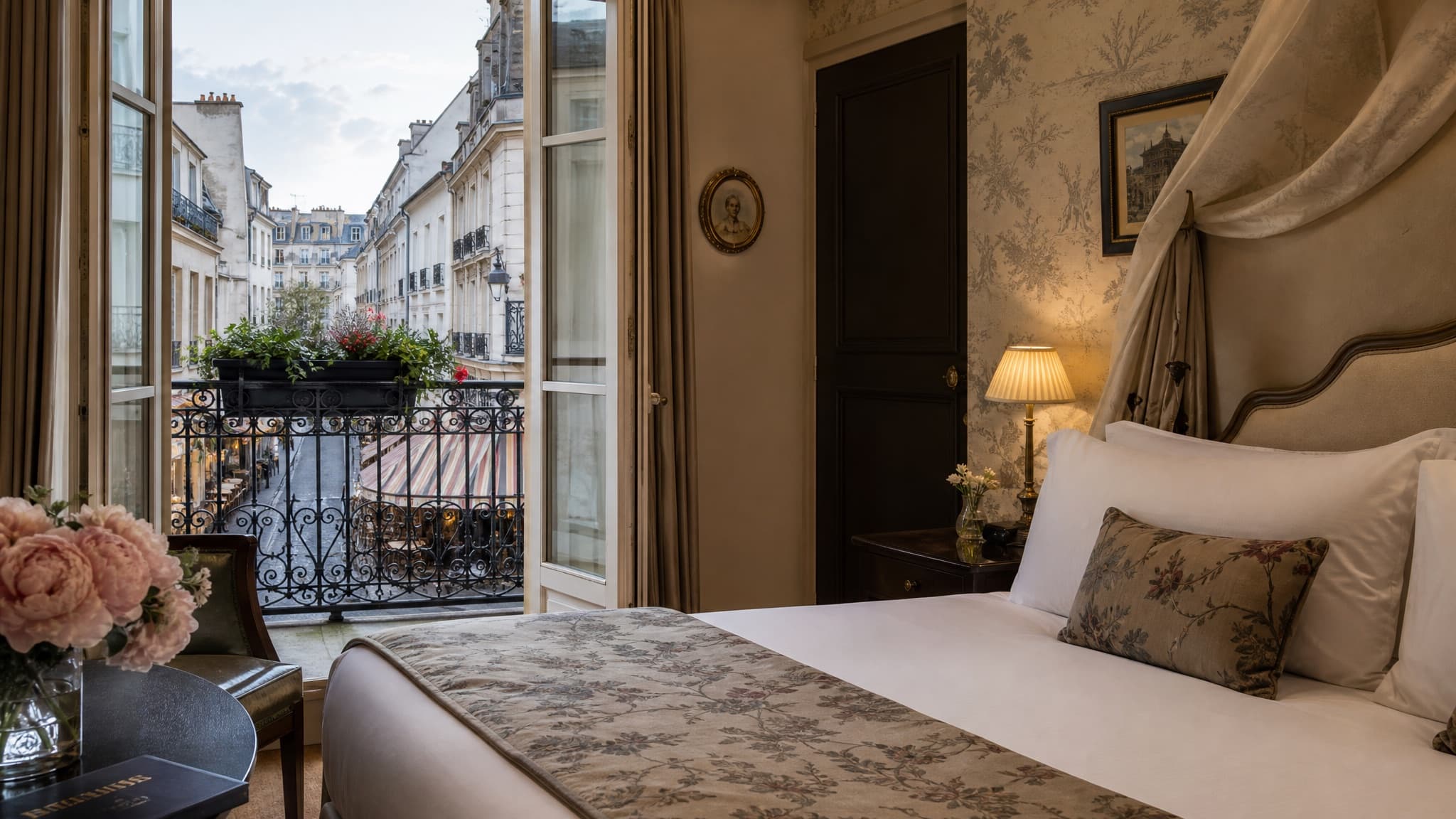
Inside this circuit
What each country brings to Europe
Where each stop sits in the itinerary, and the handful of places within it worth building a day around.
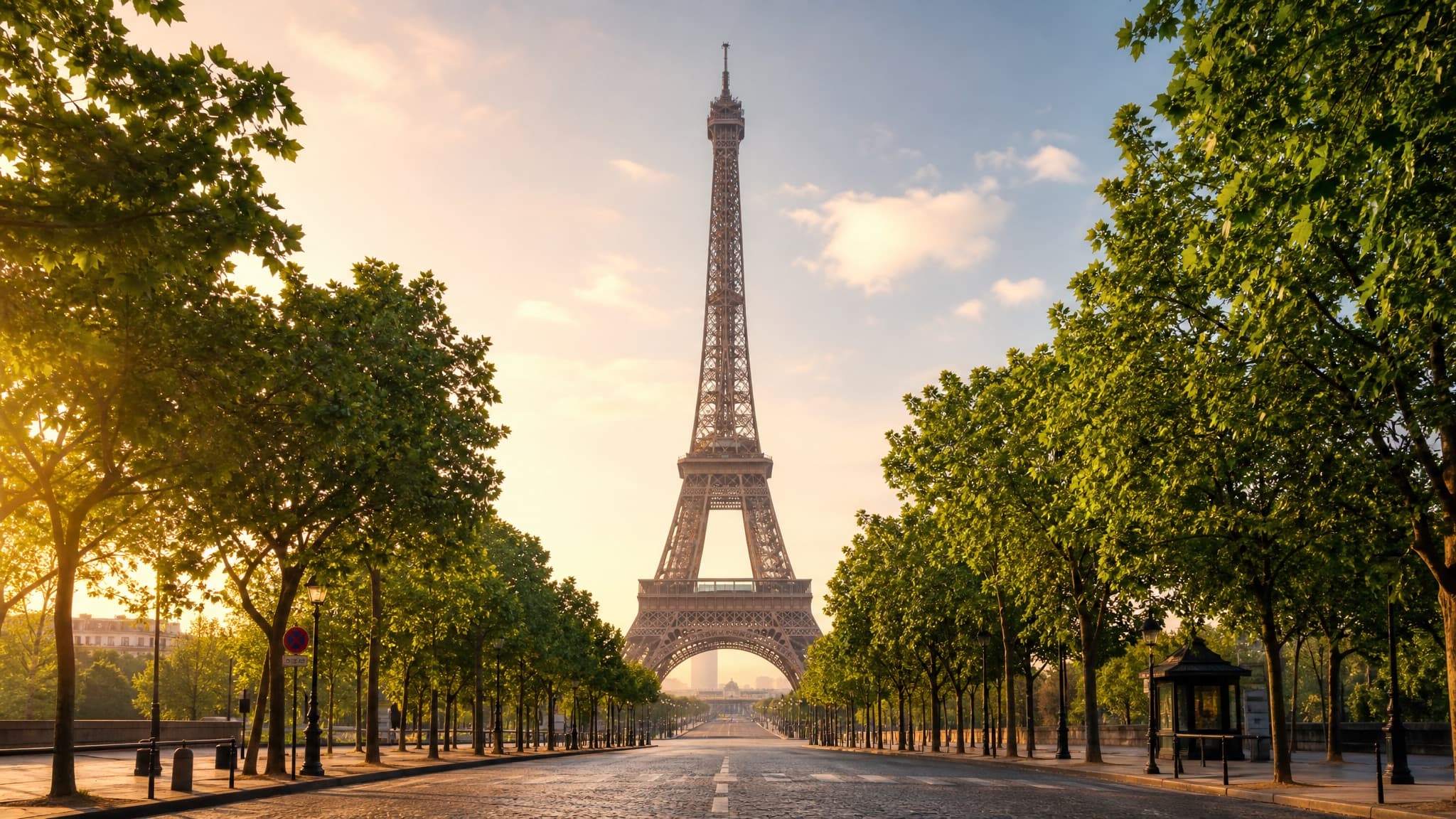
Paris, France
Museums, grand boulevards and a river that looks best at the hour the tower starts to sparkle.
- The Louvre and Musée d'Orsay, on timed entry
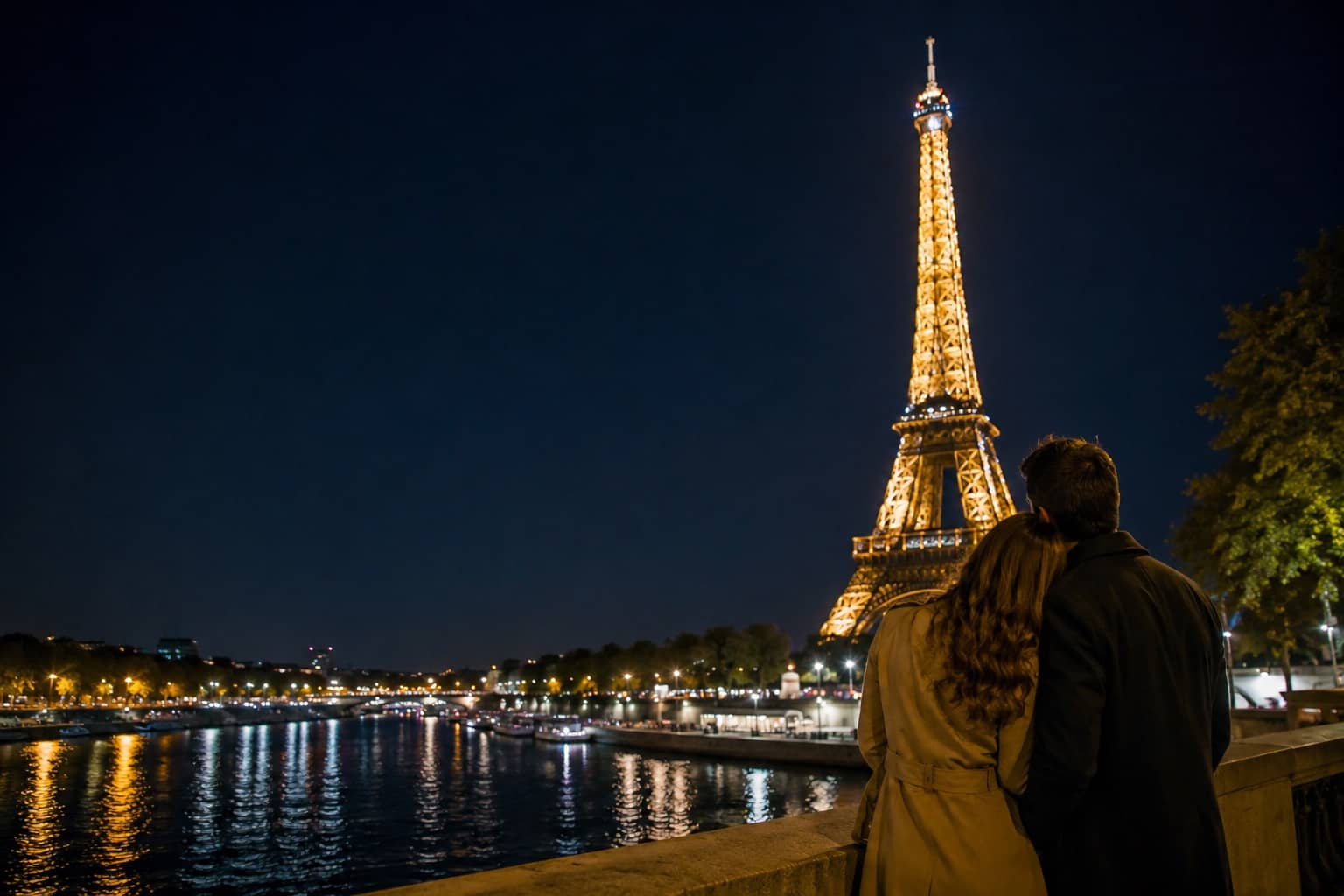
- The Eiffel Tower at blue hour, from Trocadéro or a Seine cruise
- Montmartre and the Marais on foot
- Versailles as a full morning
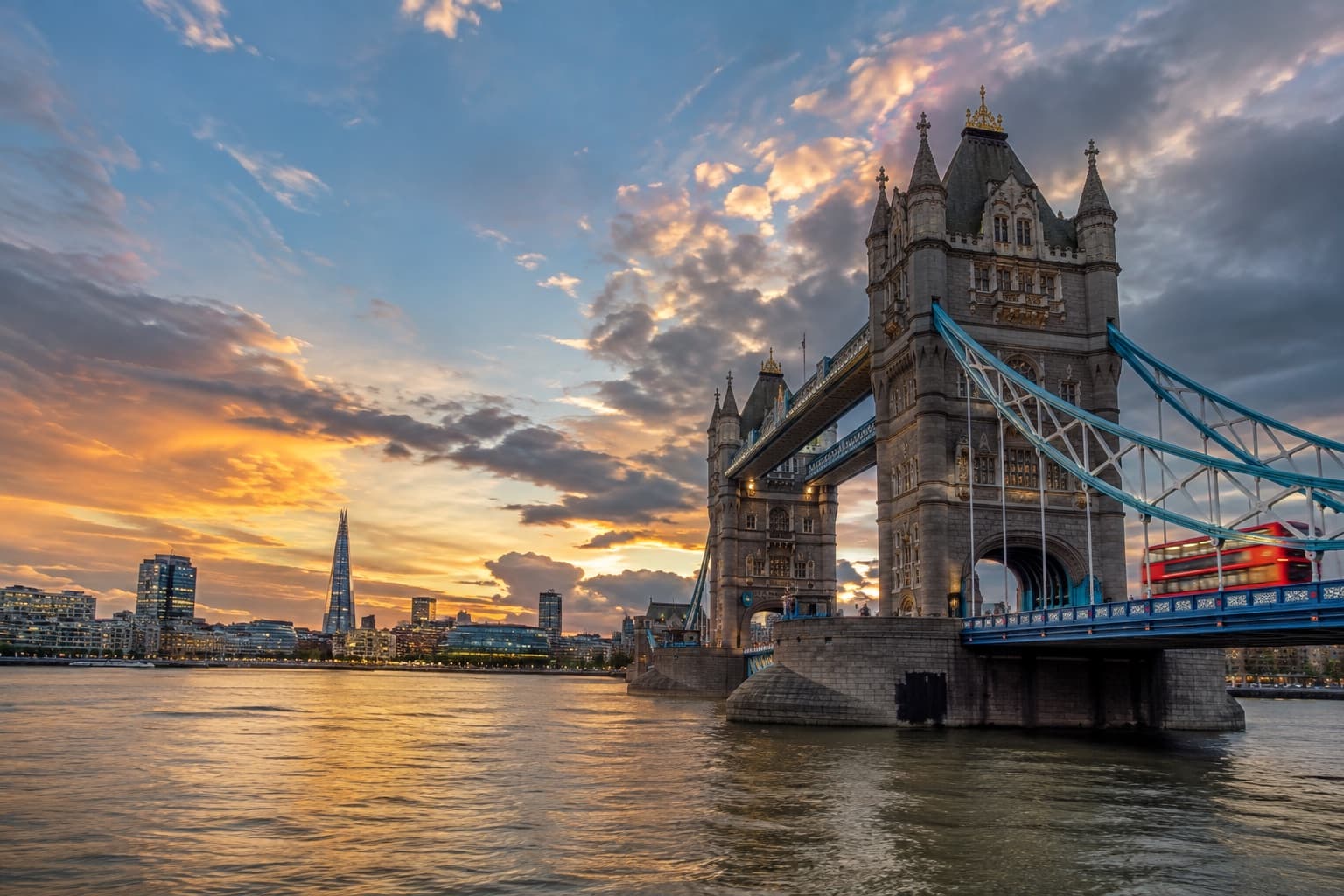
London, United Kingdom
A walking city interrupted by the Underground, with a matinée and a market for every mood.
- Tower of London and the Crown Jewels at opening
- A West End show, seats checked for sightlines
- Borough Market on a Saturday morning
- Warner Bros. Studio Tour — The Making of Harry Potter
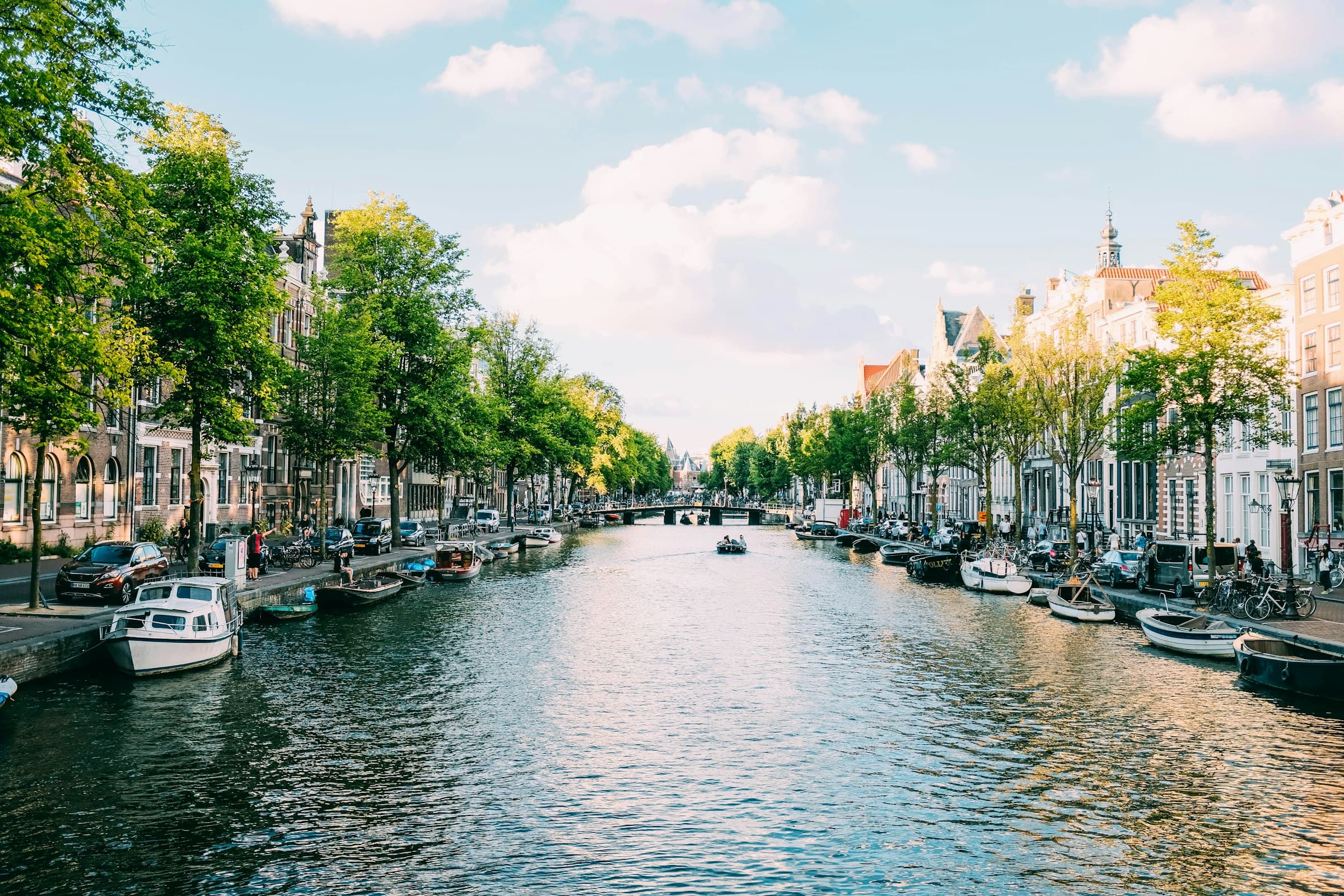
Amsterdam, Netherlands
Canals, bicycles and world-class museums in a city built to be walked.
- The canal ring by boat, ideally at golden hour
- The Rijksmuseum and the Van Gogh Museum
- Jordaan's quiet, café-lined streets
- Tulip fields at Keukenhof, in season
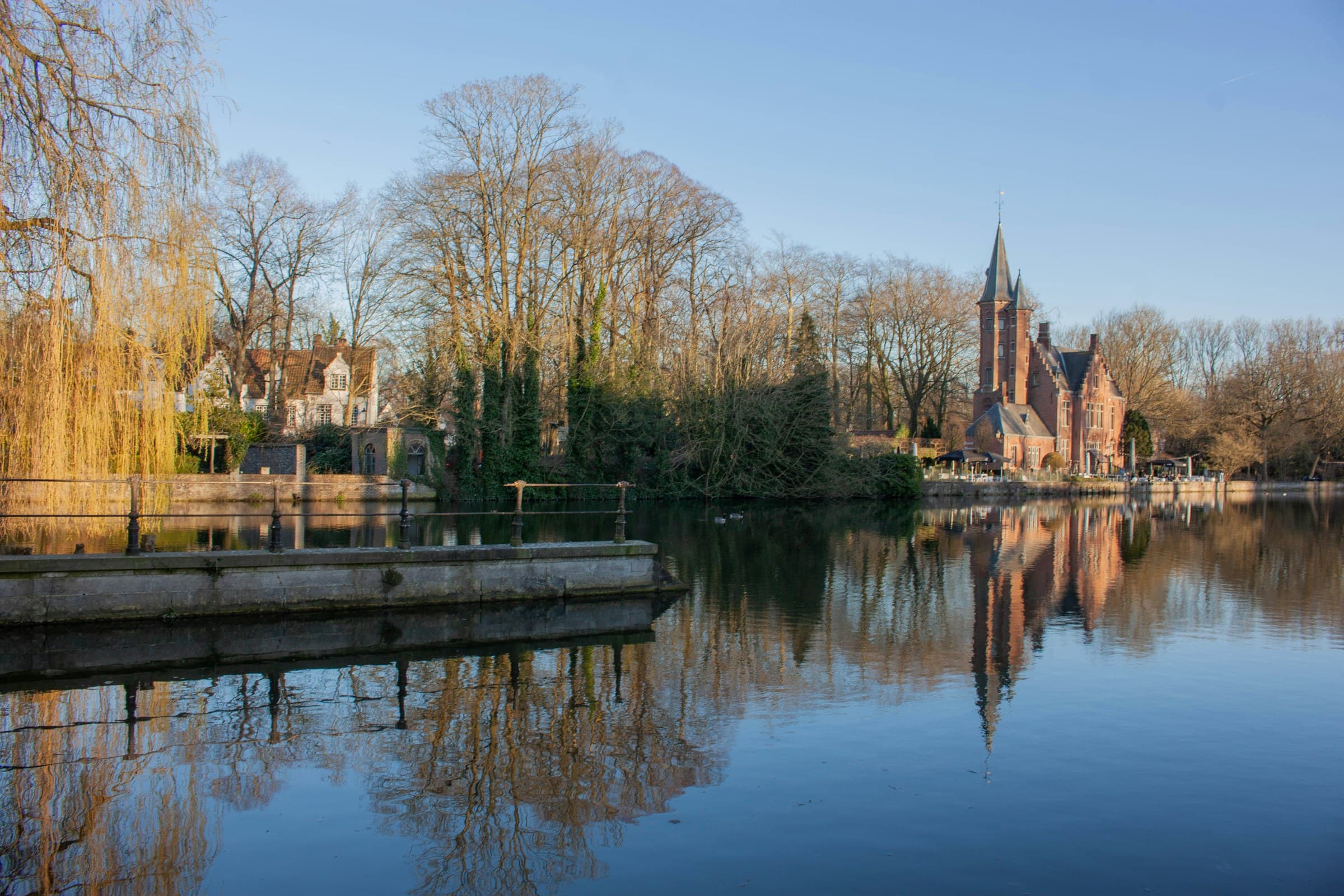
Bruges, Belgium
A medieval city so intact it is easy to forget which century you are standing in.
- The Markt and Belfry tower
- A quiet canal walk past Minnewater Lake
- Chocolate and waffles, done properly
- A half-day trip from Brussels or Amsterdam
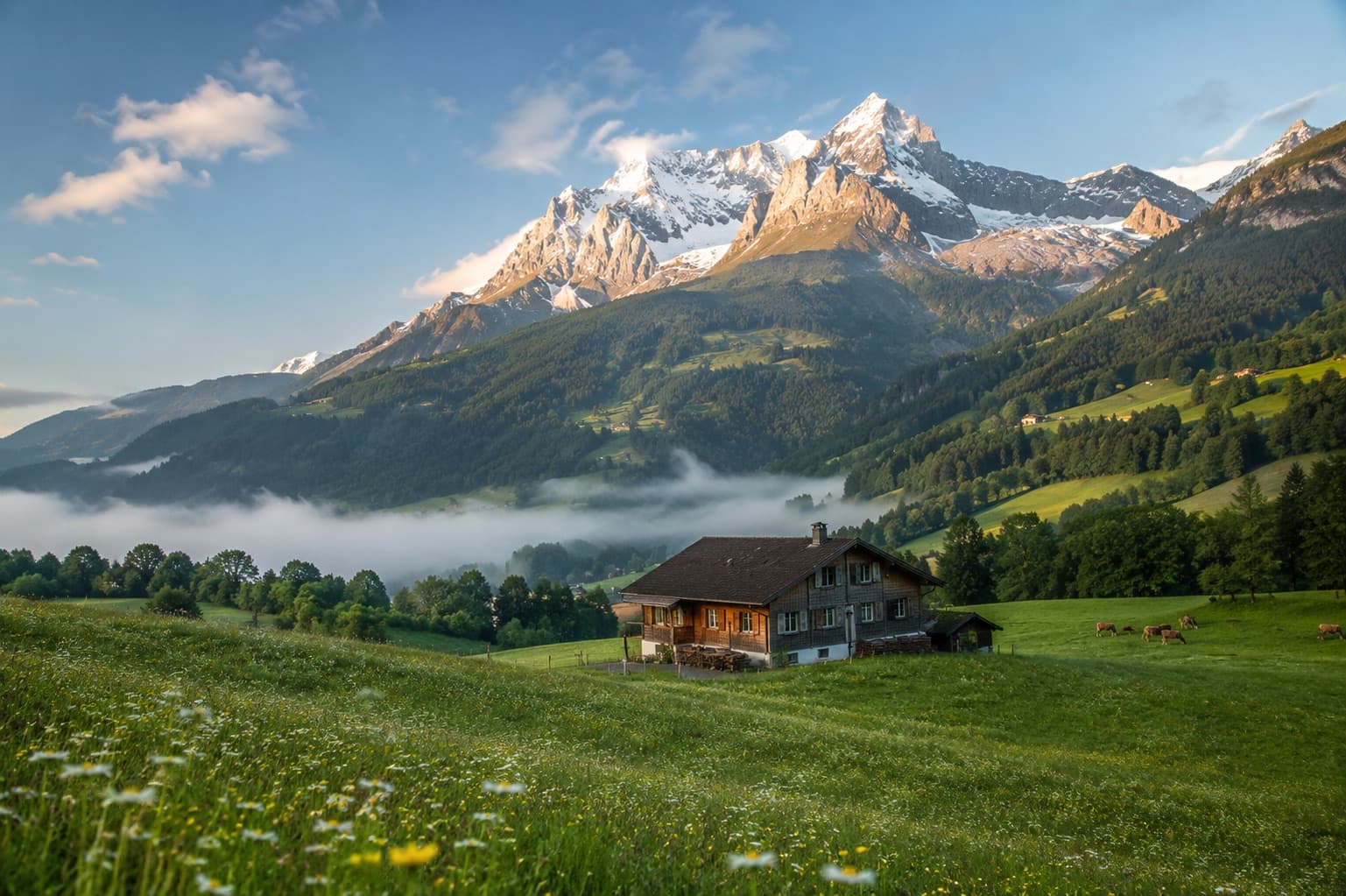
Switzerland
Valleys that quiet you, and trains that run to the second.
- Jungfraujoch — Top of Europe, on a clear-weather morning
- The Matterhorn from Gornergrat, above car-free Zermatt
- Lake Lucerne by steamer, and the covered bridge
- The Glacier or Bernina Express, reserved panoramic seats
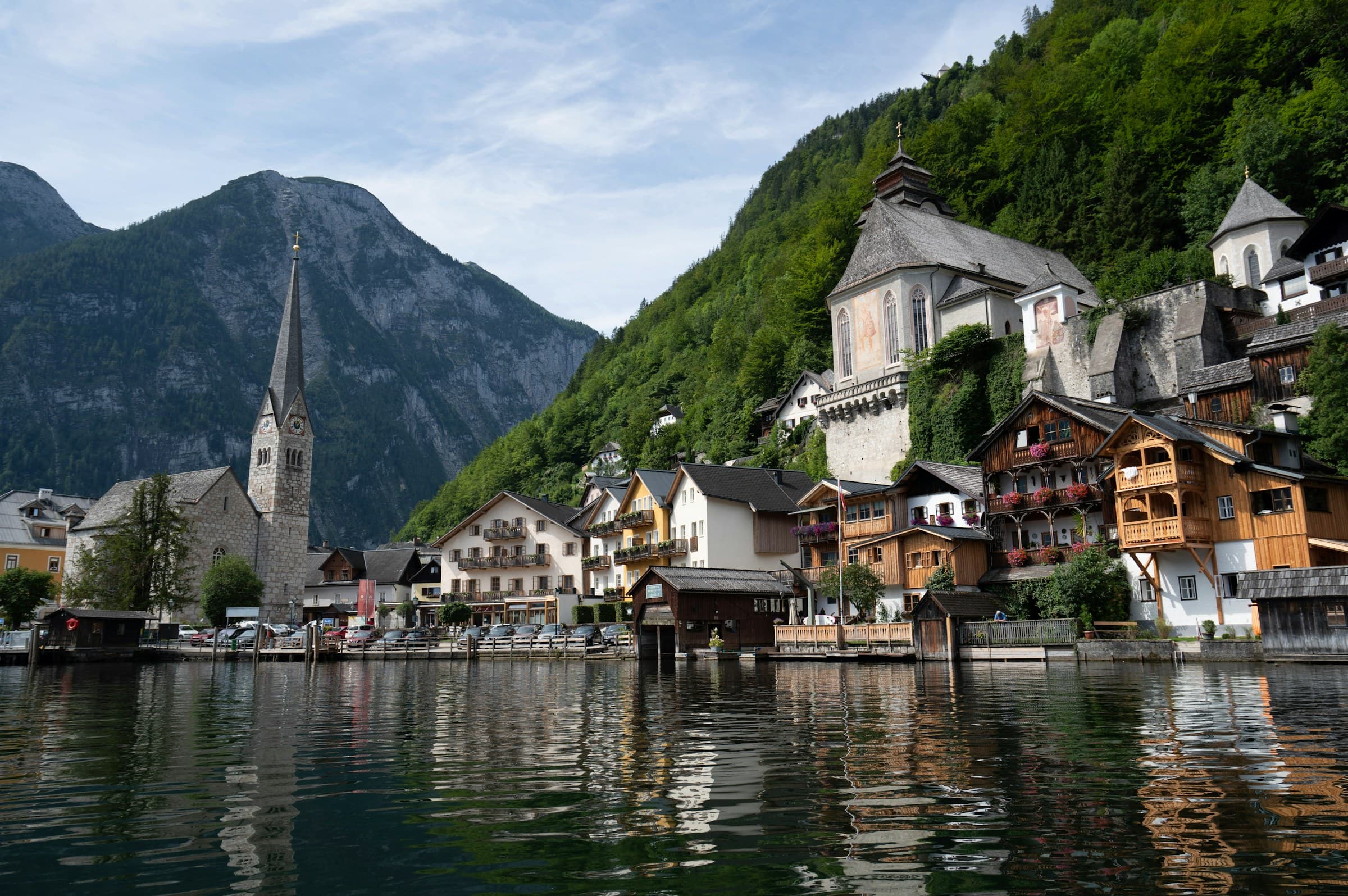
Austria
Imperial Vienna and a lakeside village too pretty to be real.
- Hallstatt's lake, church spire and mountain backdrop
- Vienna's palaces and coffeehouse culture
- Salzburg's old town and Sound of Music countryside
- The Salzkammergut lake district by car or rail
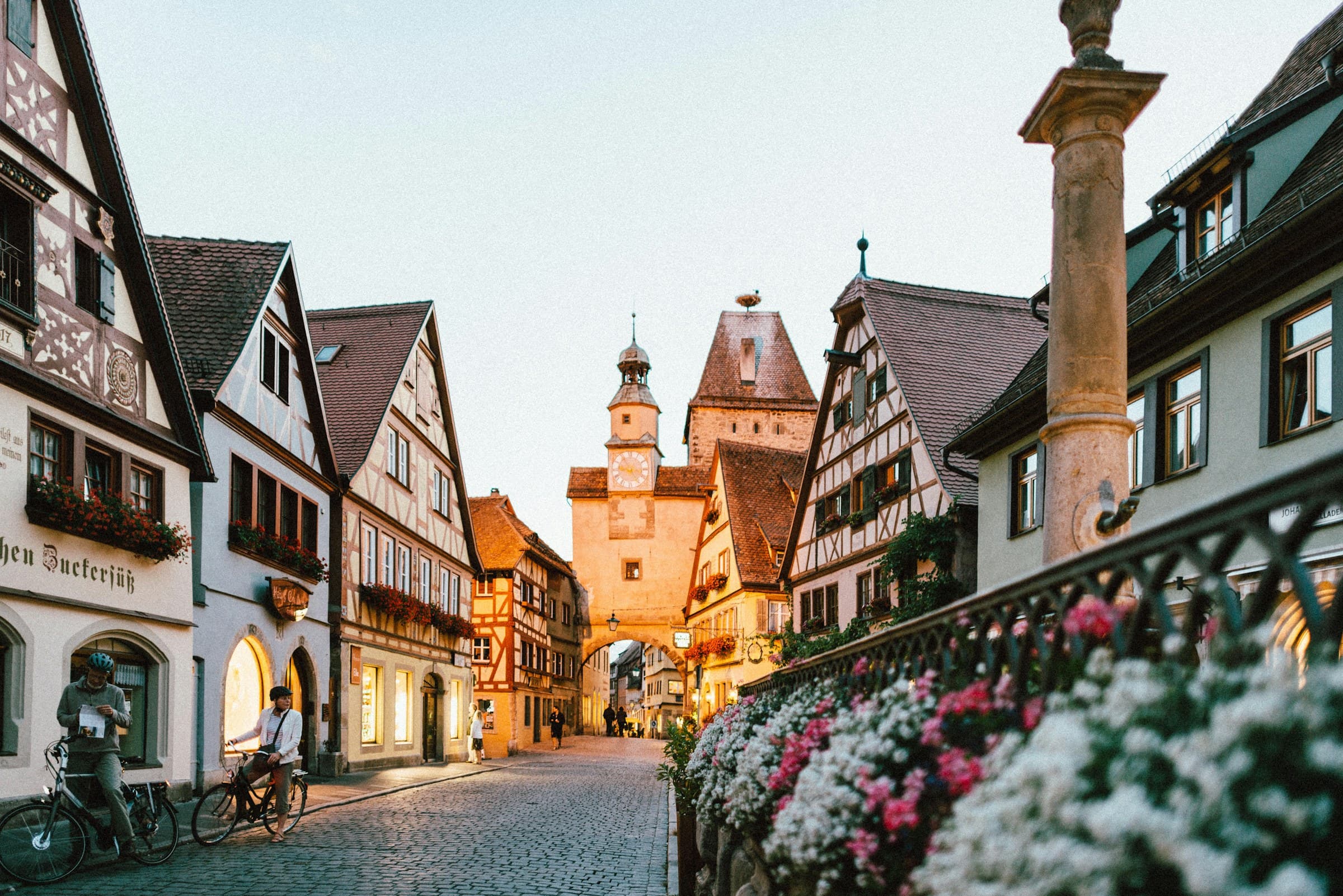
Germany (Bavaria)
Turreted castles, walled old towns and the Rhine's vineyard terraces.
- Neuschwanstein Castle, the original fairy-tale silhouette
- Rothenburg ob der Tauber's walled old town
- Munich's old town and beer-hall culture
- A Rhine valley rail day, castles on both banks
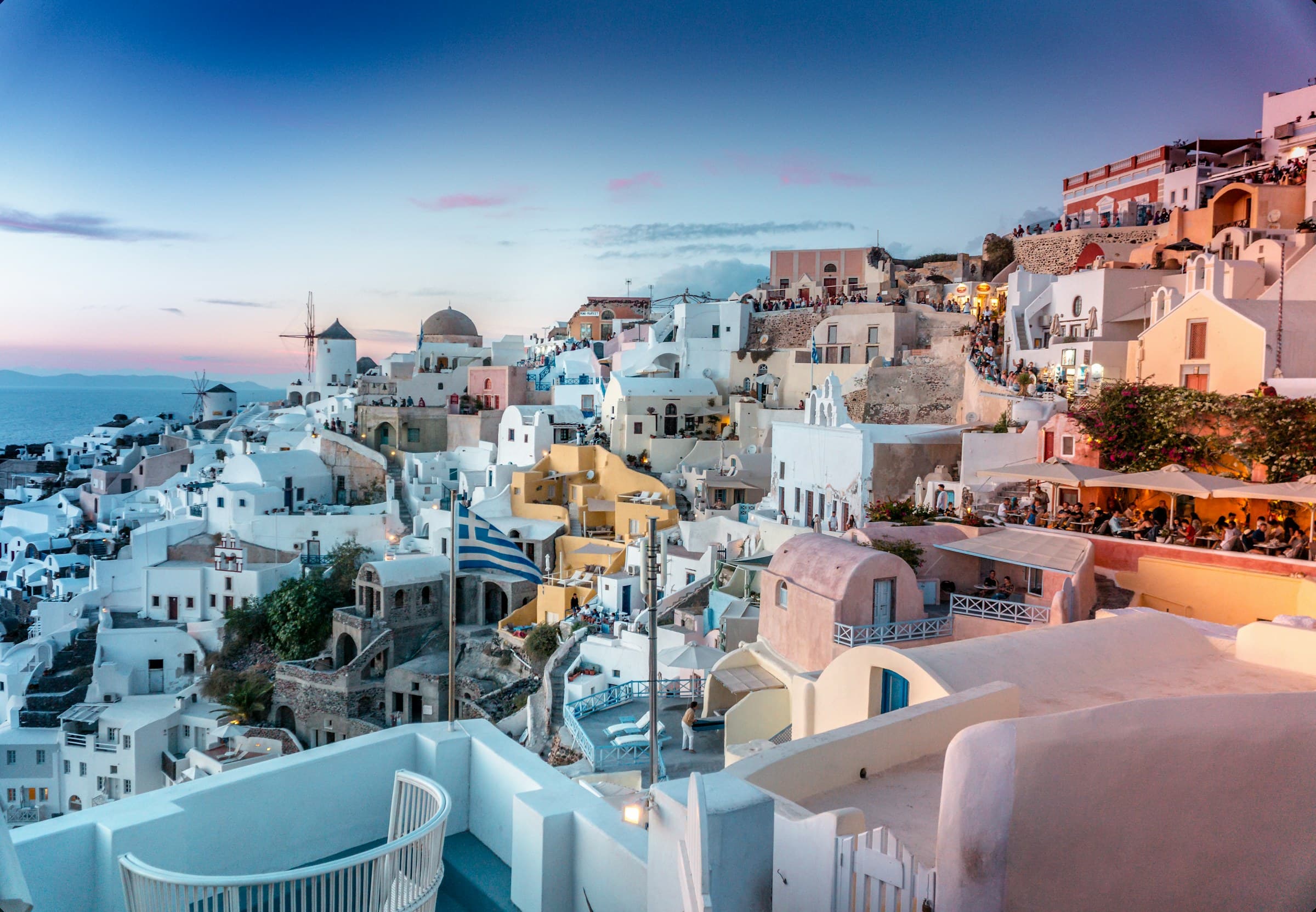
Czech Republic
Prague's spires, at a fraction of the region's other price tags.
- Charles Bridge at dawn, before the crowds
- Prague Castle and the Old Town Square astronomical clock
- A Vltava river cruise at blue hour
- Český Krumlov as a full-day trip
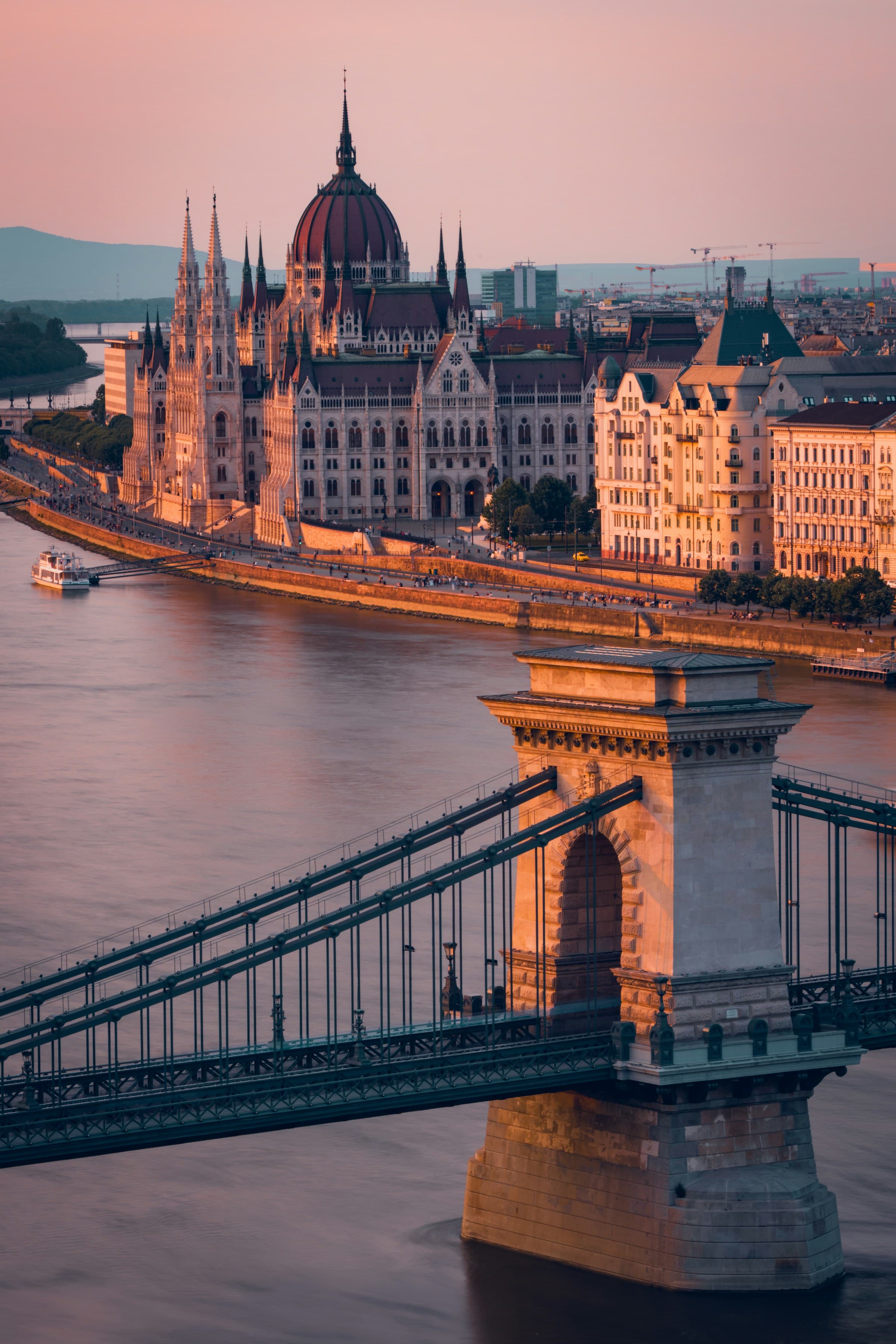
Hungary
Budapest's Danube grandeur, and a thermal bathing culture worth building an evening around.
- Parliament and the Chain Bridge, lit at night
- Széchenyi thermal baths
- A Danube dinner cruise
- Buda Castle and the Fisherman's Bastion
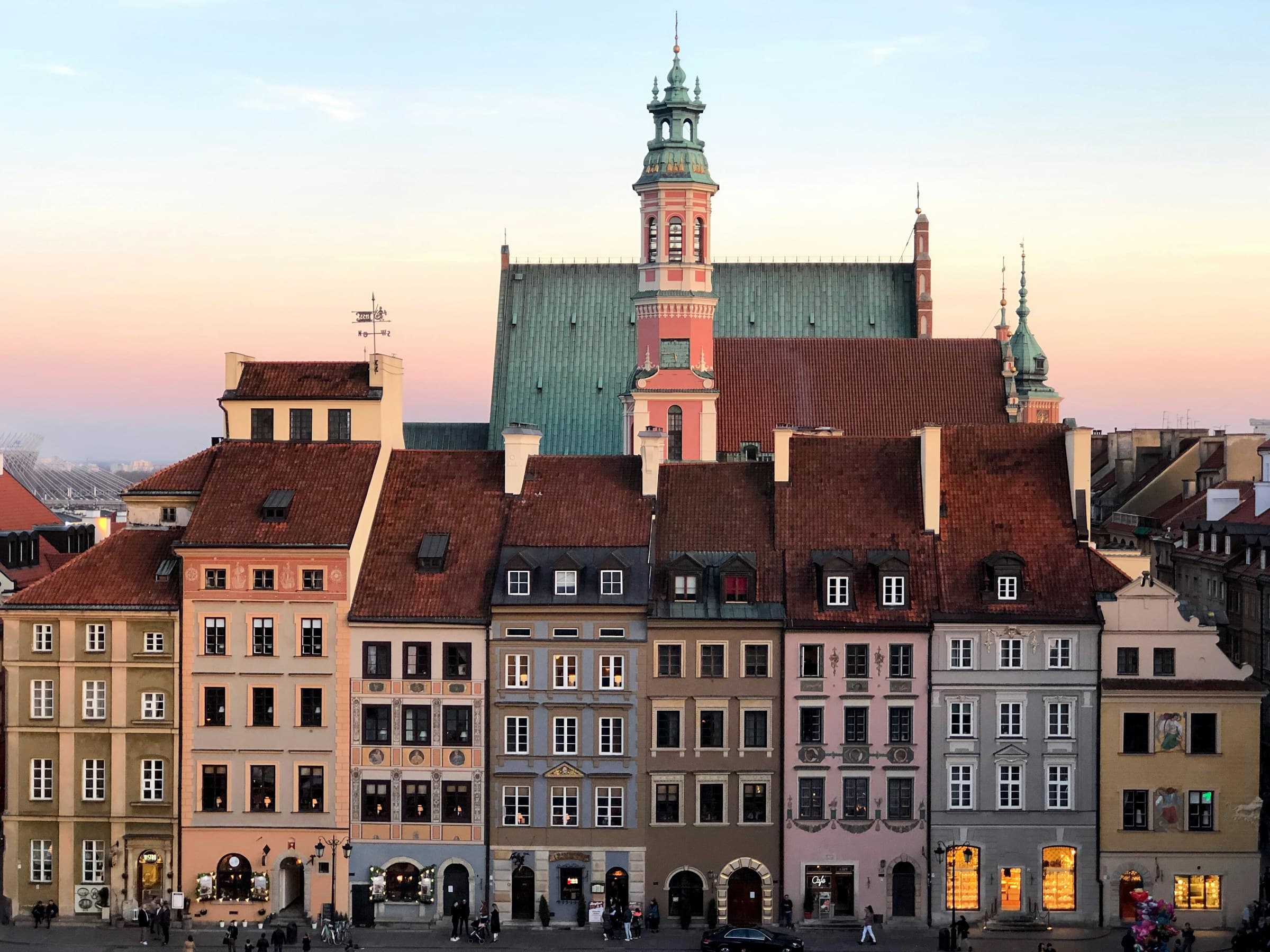
Poland
Warsaw's rebuilt old town and Kraków's untouched one, a short flight apart.
- Warsaw's Old Town Market Square at golden hour
- Kraków's Rynek Główny and the Cloth Hall
- Wieliczka Salt Mine, just outside Kraków
- Auschwitz-Birkenau, for those who want it included
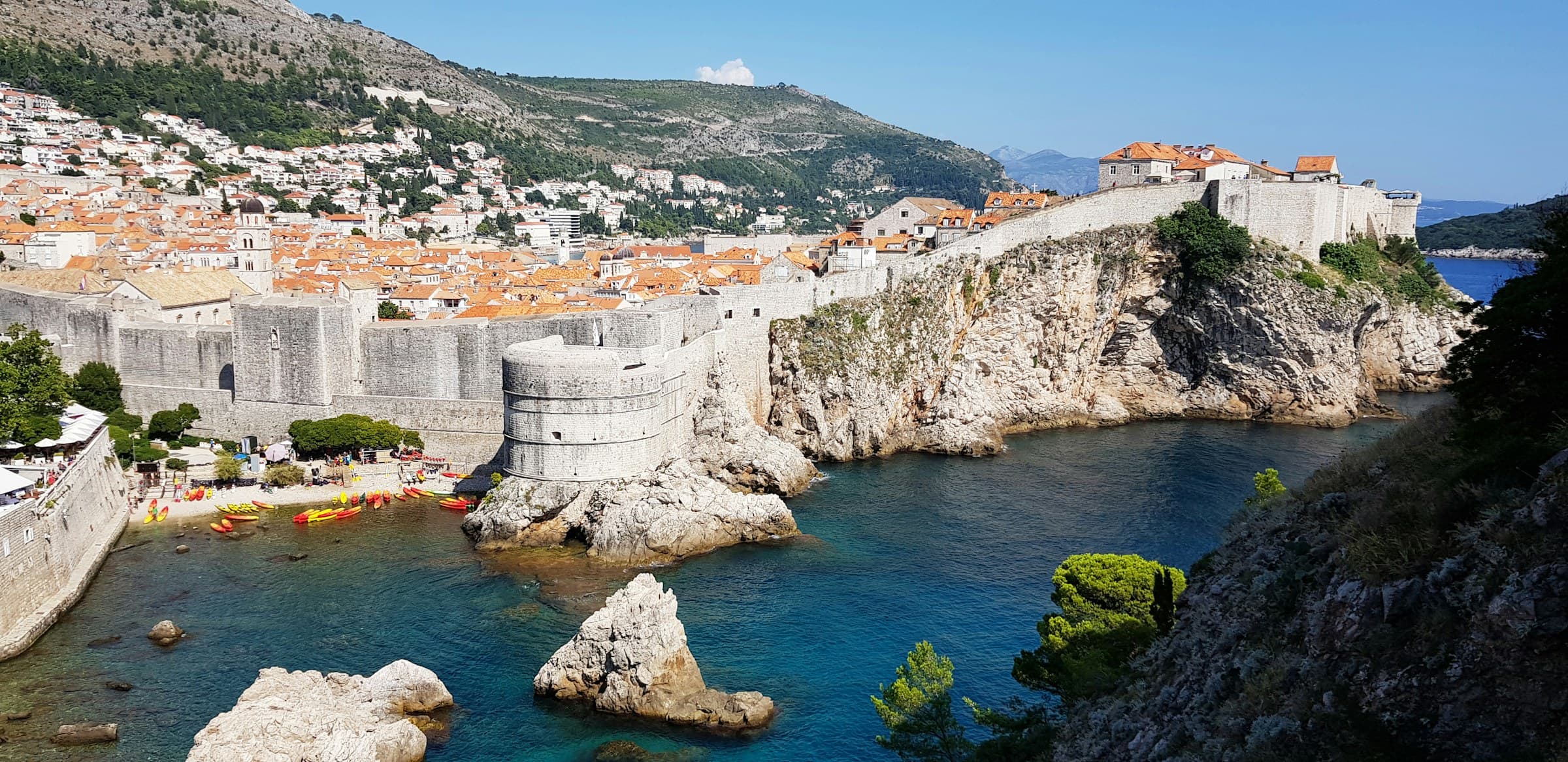
Croatia
Dubrovnik's walls above a coastline that has quietly joined the Schengen area.
- The full city-wall walk, early morning
- Old town streets below Fort Lovrijenac
- A boat trip to the Elaphiti Islands
- Plitvice Lakes National Park, inland
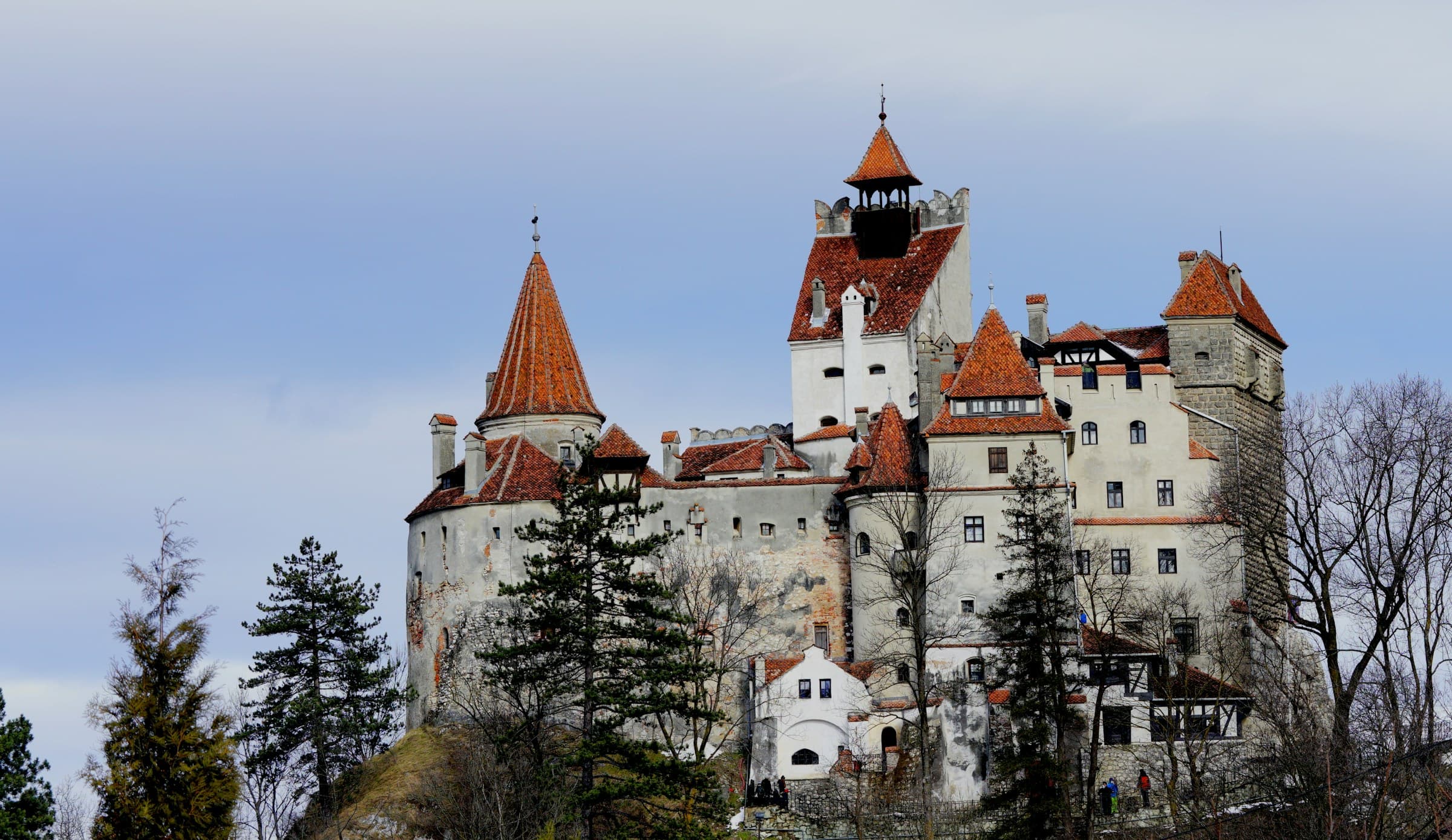
Romania
Bran Castle and Carpathian villages, for travellers who want the road less taken.
- Bran Castle's turrets above the forest
- Braşov's Saxon old town and Council Square
- A self-drive day through Carpathian villages
- Peleș Castle, near Sinaia
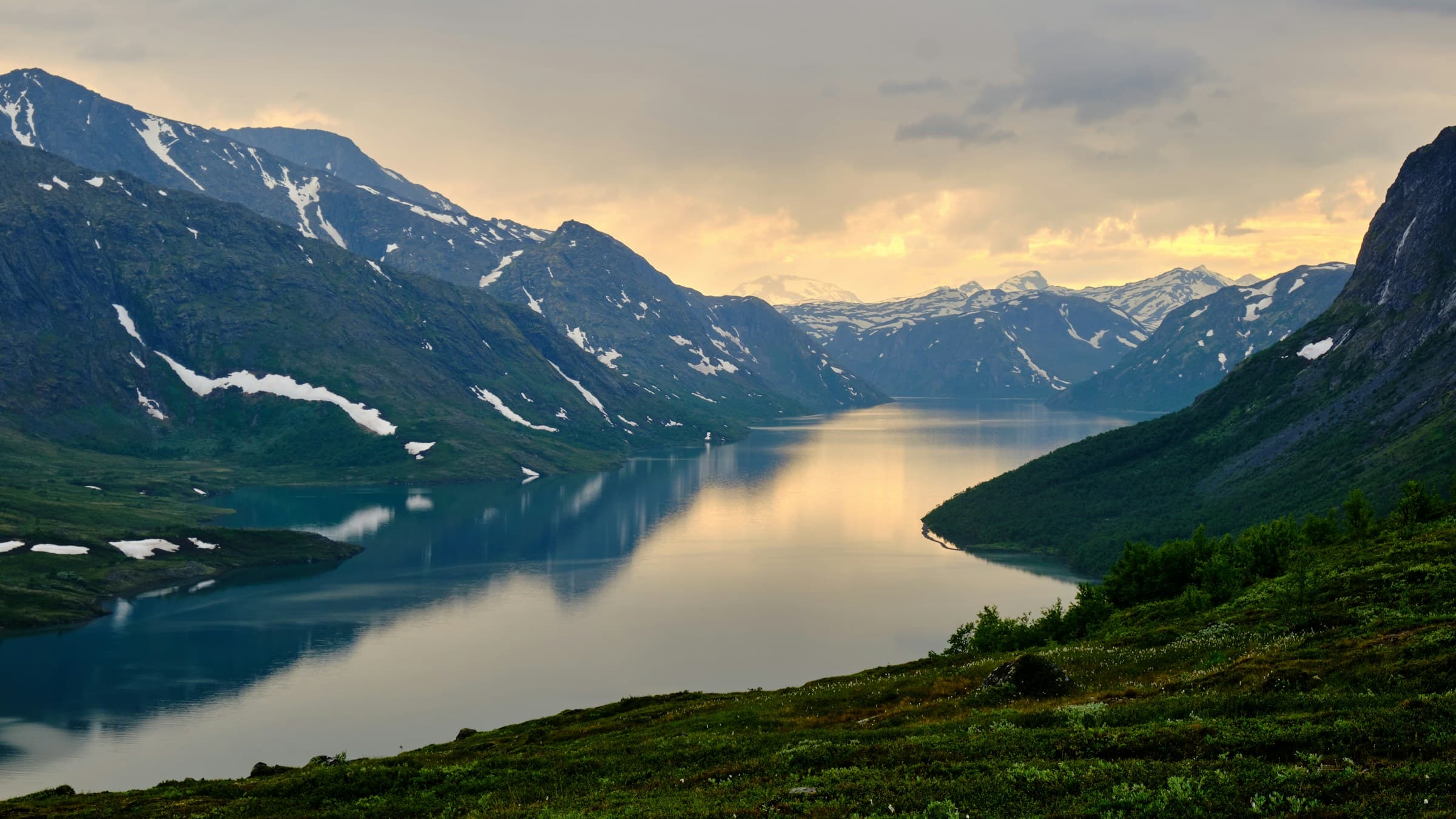
Norway
Fjords, cliffs and a railway that descends through cloud into a valley floor.
- A fjord cruise — Geirangerfjord or Nærøyfjord
- The Flåm Railway, one of the steepest in the world
- Bergen's old wharf, Bryggen
- The Northern Lights, in the winter window
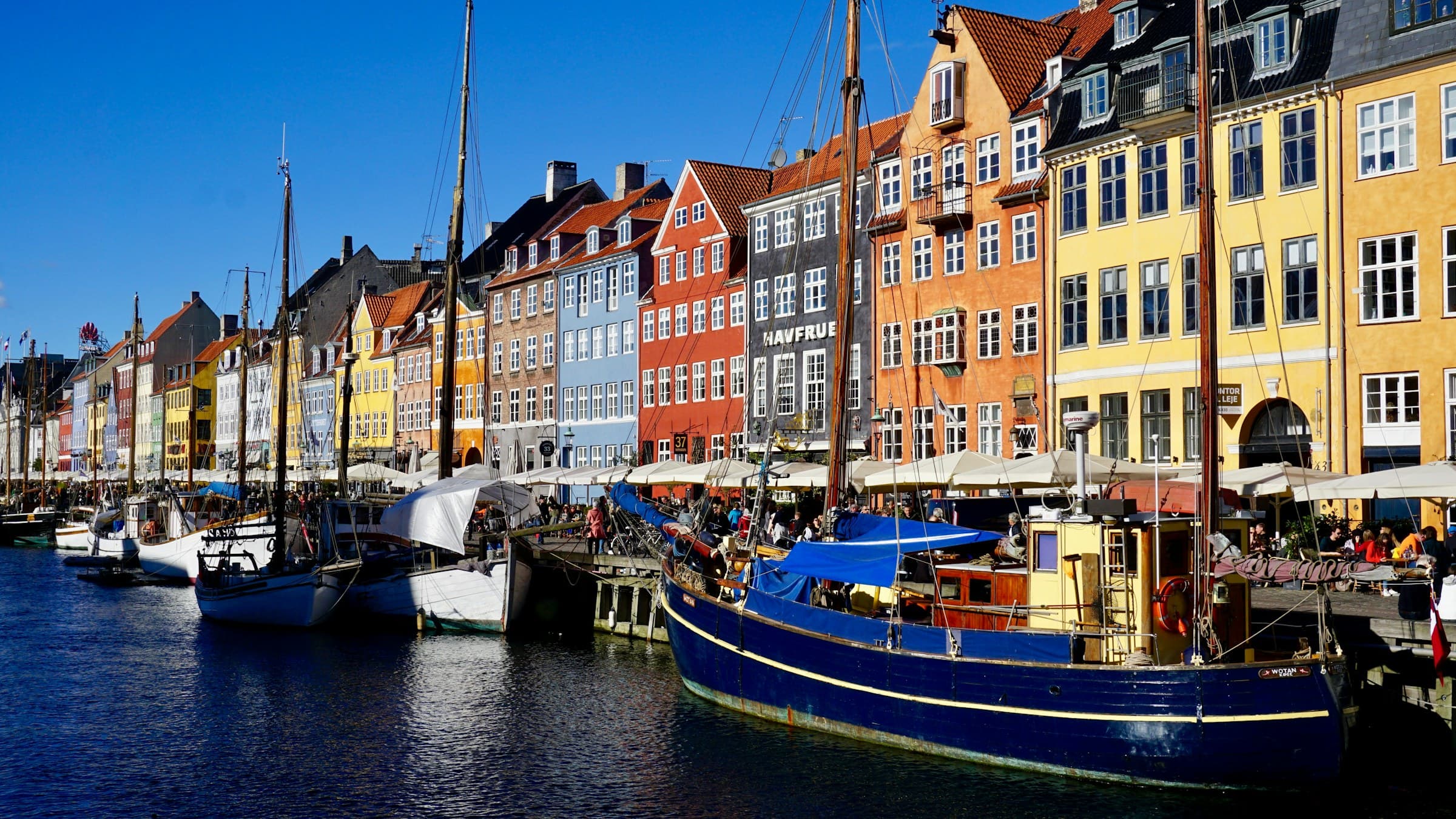
Denmark
Copenhagen, built for cycling, with a harbourfront made for evenings.
- Nyhavn's colourful houses and canal boats
- Tivoli Gardens, especially after dark
- The Little Mermaid and the palace quarter
- A bike-led day through the city's neighbourhoods
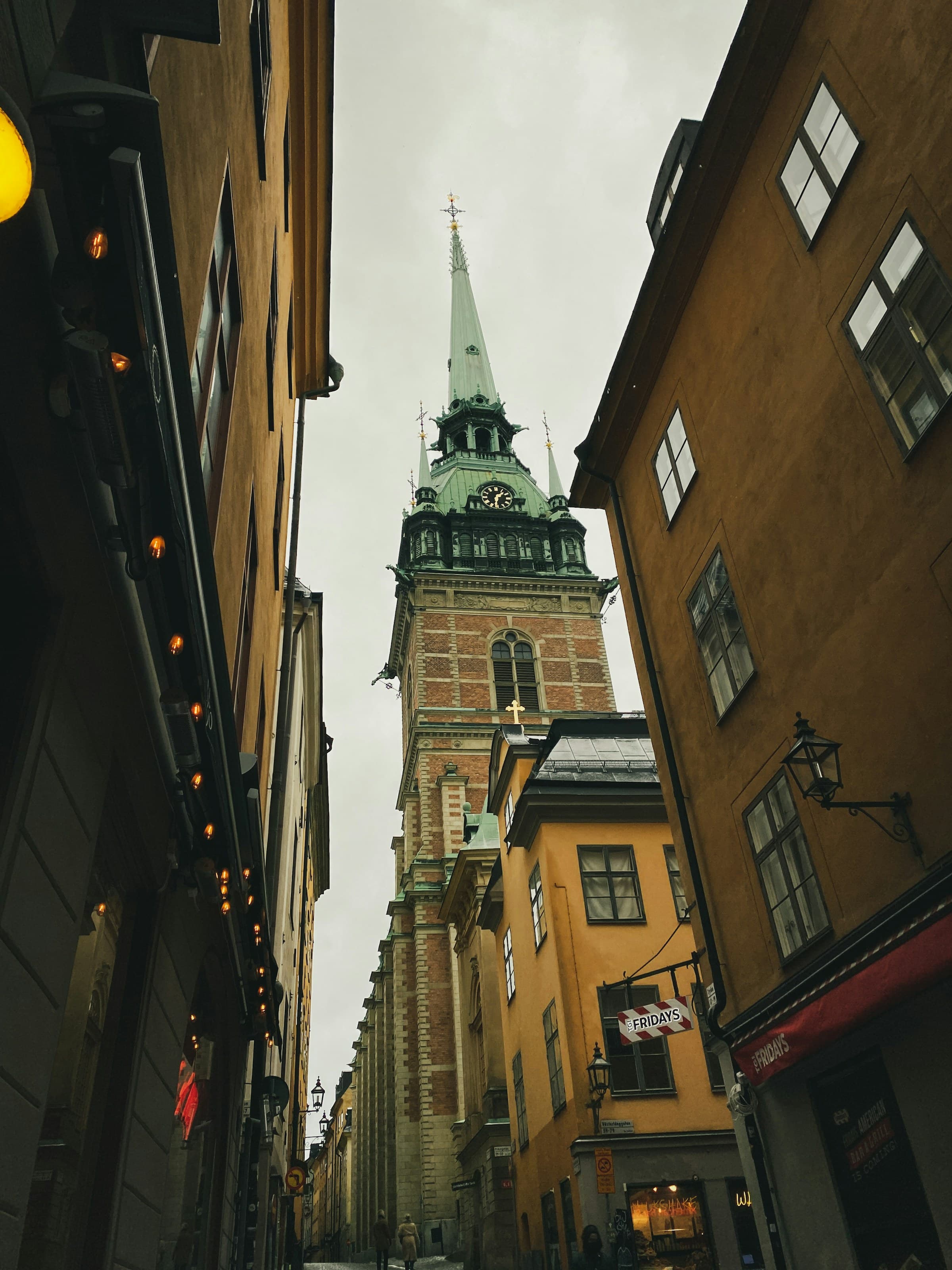
Sweden
Stockholm's old town spread across fourteen islands.
- Gamla Stan's cobbled lanes and cathedral spire
- The Vasa Museum, a 17th-century warship raised whole
- An archipelago boat trip
- Södermalm's design and food scene
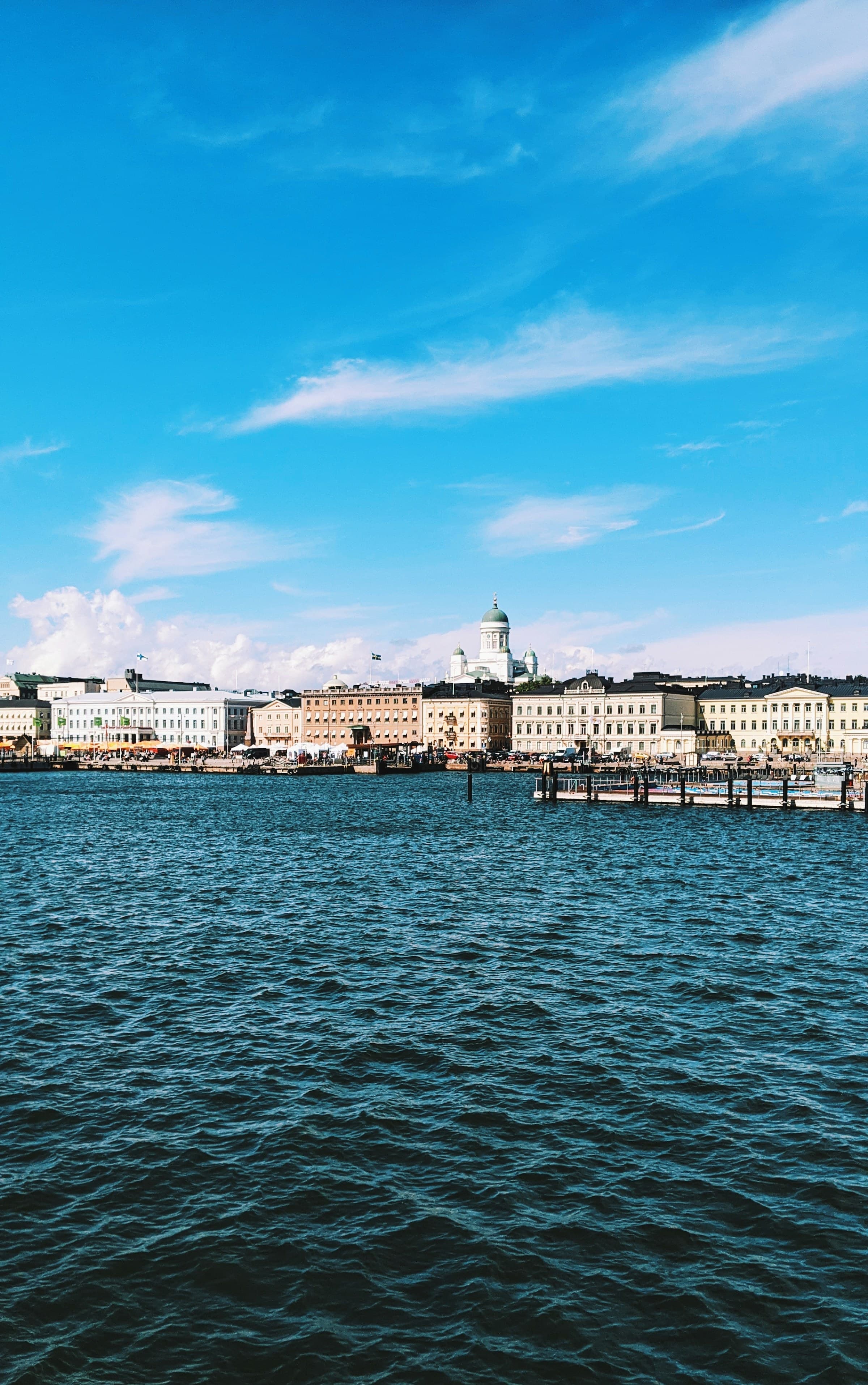
Finland
Helsinki's harbour and design district, or Lapland's snow in winter.
- The harbourfront market square and cathedral
- Design District Helsinki
- A sauna, done the way Finns actually do it
- Lapland — huskies and the Northern Lights, in season
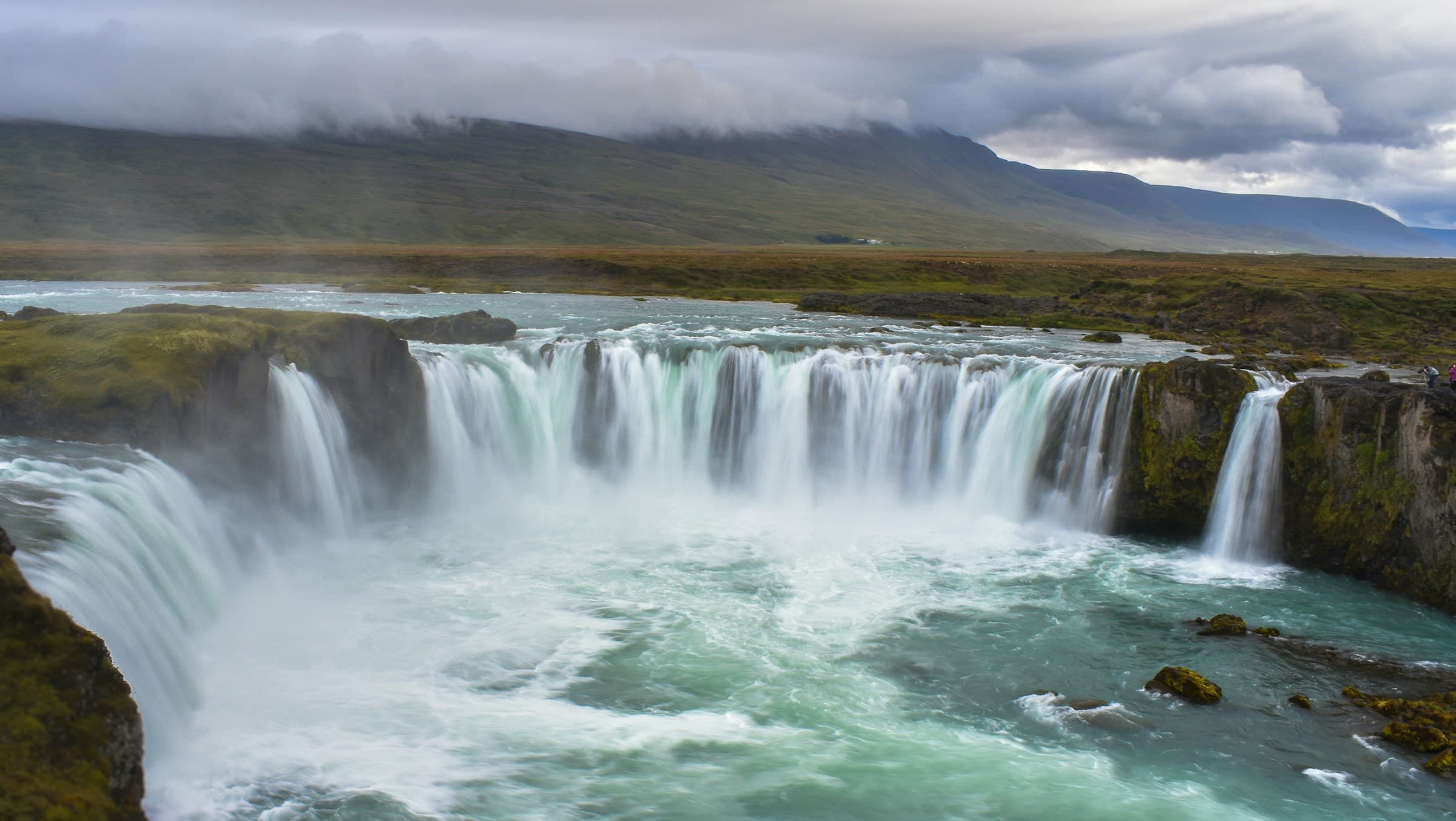
Iceland
Waterfalls, glacier lagoons and the Golden Circle, worth its own dedicated nights.
- Þingvellir, Geysir and Gullfoss — the Golden Circle
- Goðafoss and Skógafoss waterfalls
- The Blue Lagoon
- A glacier lagoon day, further afield
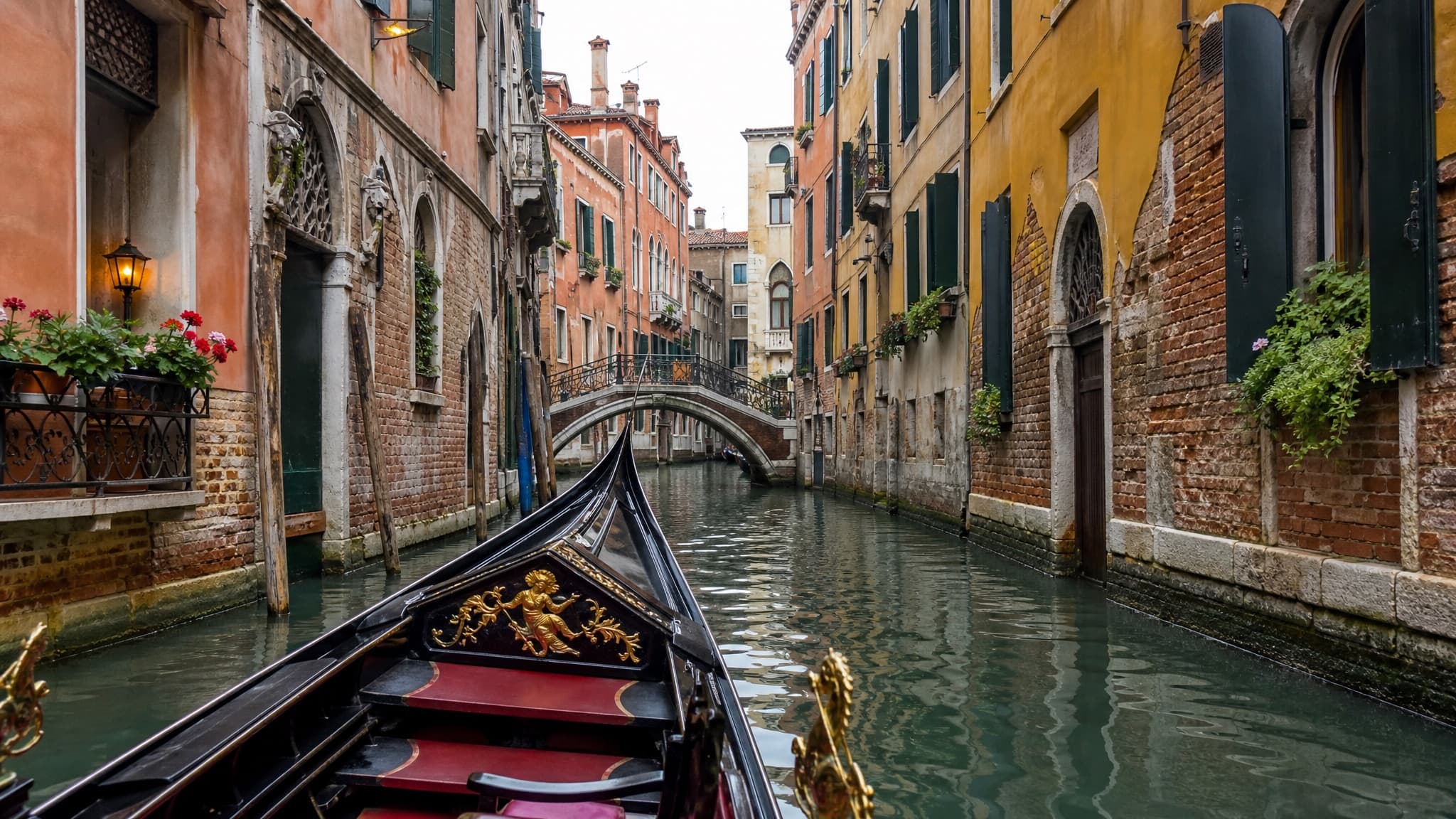
Venice, Italy
Canals instead of streets, and a pace that only a gondola or your own two feet can keep.
- A gondola ride through the quieter back canals
- St Mark's Square and the Basilica, before the day-trip crowds
- The Rialto Bridge and its morning fish market
- Murano and Burano by vaporetto, for glass and colour
Beyond the highlights
Things to do in Europe
The Eiffel Tower at night, from Trocadéro
The tower's hourly light show is best seen from across the river at Trocadéro, away from the ticket queues at the base.
A Rhine or Swiss Alpine train journey
Scenic rail routes through Switzerland or along the Rhine are as much a sight as the destinations they connect — worth building a full day around rather than treating as pure transit.
Prague's Old Town after dark
Astronomical Clock, Charles Bridge and the castle district are all quieter and more atmospheric in the evening than during the day's tour-group hours.
A Norwegian fjord cruise
For circuits that reach Scandinavia, a short fjord cruise (Geirangerfjord or similar) is one of the most-photographed single days on a European itinerary.
Budapest's thermal baths
Széchenyi or Gellért Baths offer a genuinely different, relaxing counterpoint to a circuit otherwise built around walking and sightseeing.
Eat
Food in Europe
- A European circuit means genuinely different food cultures country to country — French bistro classics, Swiss fondue and raclette, Central European goulash and schnitzel, all within one trip.
- Markets (Vienna's Naschmarkt, Budapest's Central Market Hall) are a good way to sample a country's food culture in one stop without committing to a full sit-down meal at every city.
- Wine regions (France, increasingly Central Europe) are worth a stop if your circuit's route allows it, rather than only city-centre dining.
- Christmas markets, if your travel dates fall in late November or December, add a food dimension (mulled wine, roasted chestnuts) specific to that season.
Shop
Shopping in Europe
- Paris for flagship international fashion and French specialities (perfume, wine, patisserie).
- Switzerland for watches and chocolate, both widely available and genuinely made domestically.
- Prague and Budapest for crystal, garnet jewellery and more affordable antiques than Western Europe.
- Christmas markets across Central Europe (Vienna, Prague, Budapest) for handmade ornaments and seasonal crafts, if travelling in late autumn/winter.
Who this suits
Is Europe right for your trip?
Family travel
Workable for families, though a multi-country circuit's pace (moving between cities every few days) suits older children better than toddlers — Switzerland's train journeys and mountain cable cars, and Legoland-style parks in a few countries, are genuine family highlights rather than compromises.
Honeymoons
One of the most classic honeymoon circuits globally — Paris and Switzerland in particular are enduringly popular for their combination of romance, scenery and food, and a well-paced circuit (rather than a rushed multi-country dash) is exactly what this agency plans for honeymoon itineraries specifically.
Adventure
- Hiking in the Swiss or Austrian Alps, from short valley walks to more serious mountain trails.
- Skiing and snowboarding in Switzerland, Austria or the French Alps, for winter-dated circuits.
- Cycling along the Rhine or Danube, both well-established long-distance cycling routes.
- Fjord kayaking in Norway, for circuits that extend into Scandinavia.
One way to plan it
A suggested Europe itinerary
A realistic starting outline, not a fixed or booked itinerary — your consultant adjusts the pace, order and length once they know your dates.
- Day 1–3
Paris
The Eiffel Tower, the Louvre, and the city's neighbourhoods at a walking pace.
- Day 4–6
Switzerland
An Alpine base (Lucerne or Interlaken) with a scenic train journey and a mountain cable car.
- Day 7–9
Central Europe
Prague or Vienna, followed by Budapest — Old Town walks, thermal baths, and river views.
- Day 10
Departure
A final city's highlights before flying home, or an onward add-on if the circuit extends further.
What we arrange
The Europe we actually book
Not an exhaustive list of everything possible — the handful of things we think are worth building days around.
Eurostar, city to city
Paris to London (or the reverse) in two hours fifteen minutes, no airport, no baggage drop — the join between the two capitals becomes part of the holiday rather than a travel day.
Jungfraujoch — Top of Europe
The railway to 3,454 m, timed to a clear-weather morning where possible, so the fare buys a view and not a wall of cloud.
Budapest by night
The Chain Bridge and Parliament lit against the Danube — a dinner cruise or simply the walk along the embankment at blue hour.
Dubrovnik's walls, at sunrise
The full 2 km circuit, walked before the cruise-ship crowds arrive mid-morning — the single best hour to see the old town.
A fjord, done properly
Norway's fjords, planned as the trip's centrepiece rather than a day excursion — a cruise and a fjord-view stay, not a coach-window glimpse.
One region at a time, never the whole map
Every one of these seventeen countries sits under (mostly) a single Schengen visa — but the trip that actually works is two or three of them, chosen deliberately, not a tour of the continent.
When to go
Honest seasons, written for departures out of India
Including the months we would talk you out of.
October — this month
10-16°C
Autumn colour, cooling fast
November — next month
5-10°C
Cold, grey — Christmas markets begin
April – June
Gardens and terraces at their best in the west, alpine meadows in flower centrally, long evenings everywhere. Our most recommended window across the whole circuit.
July – September
Warmest and clearest, the only realistic window for the Nordic midnight sun and high-altitude excursions — also the busiest, so we book Indian school-holiday dates months ahead.
November – December
Cold, often grey, and every city at its most civilised indoors — plus Christmas markets from mid-November across the west and centre. Hotel rates fall sharply.
Before you go
Travel tips
- Most Western and Central European countries share the Schengen visa, but the UK and a few others require a separate visa or entry permit — worth confirming which applies to your specific route.
- Rail is often faster and more pleasant than flying between neighbouring European cities once security and airport transfer time is factored in.
- Packing for a multi-country circuit means planning for genuinely different weather (Alpine cold versus a milder Western European city) if your route spans both.
- Many European museums and attractions benefit from advance/timed-entry booking, particularly in peak summer months — worth arranging ahead rather than on arrival.
- A 10–16 night circuit covering two or three countries tends to feel more considered than trying to fit in five or six countries in the same time.
Questions
Europe — frequently asked questions
Two to three countries in ten to sixteen nights is the pace this agency plans for — enough to see each properly rather than a rushed one-night-per-city dash across five or six countries.


Start here
Let's plan your Europe journey.
One conversation, then an itinerary with the reasoning attached — hotels named, inclusions listed, exclusions stated plainly.
Or call +91 81085 31332 · Monday – Saturday, 10:00 – 19:00 IST