
Japan
Japan
Cherry blossoms, ancient temples and bustling neon streets
- Visa
- Japan entry requirements — visa requirements vary by traveller; we'll guide you on the current requirements
- Flight time
- 6–7 hours from Mumbai
- Best for
- Neon-soaked cities, temple walks, food obsessives
A country where neon-lit cities meet ancient temples, and you can catch a bullet train from Tokyo to Kyoto's geisha districts in three hours.
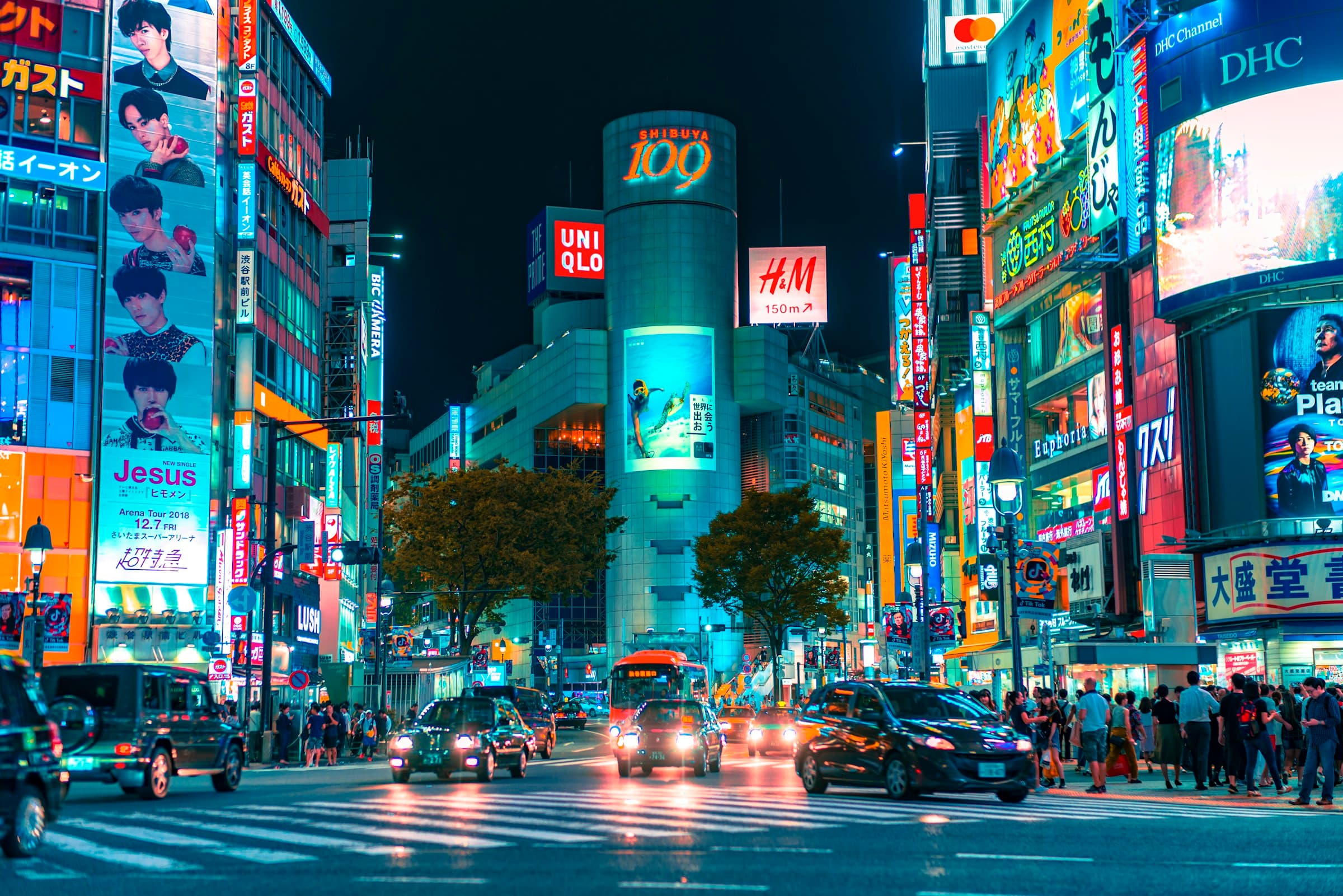
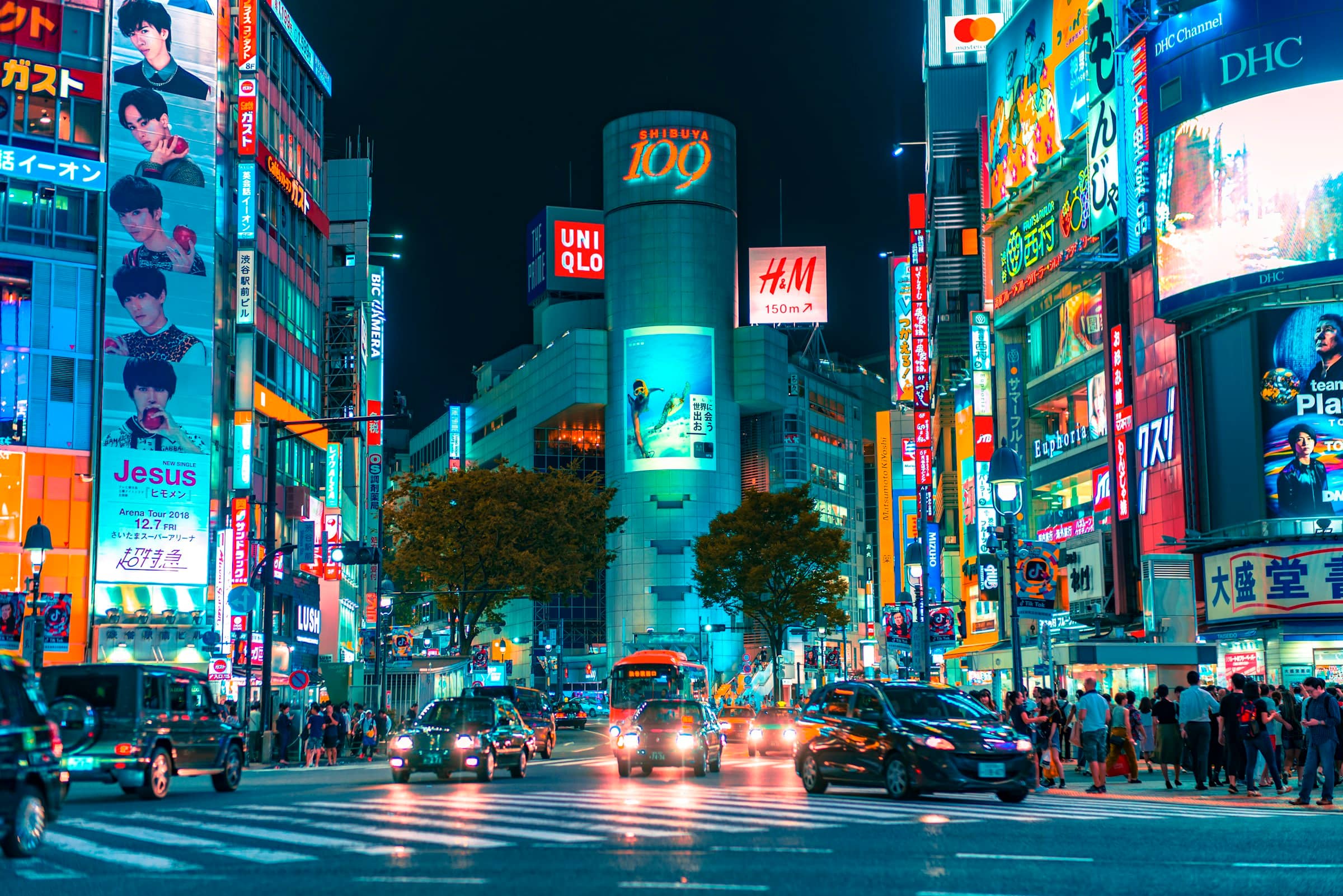
Tokyo is the entry point — organized chaos, endless neon, three-Michelin-star ramen in tiny lanes, the scramble crossing at Shibuya. The pace is deliberate, every block has a name and a purpose.
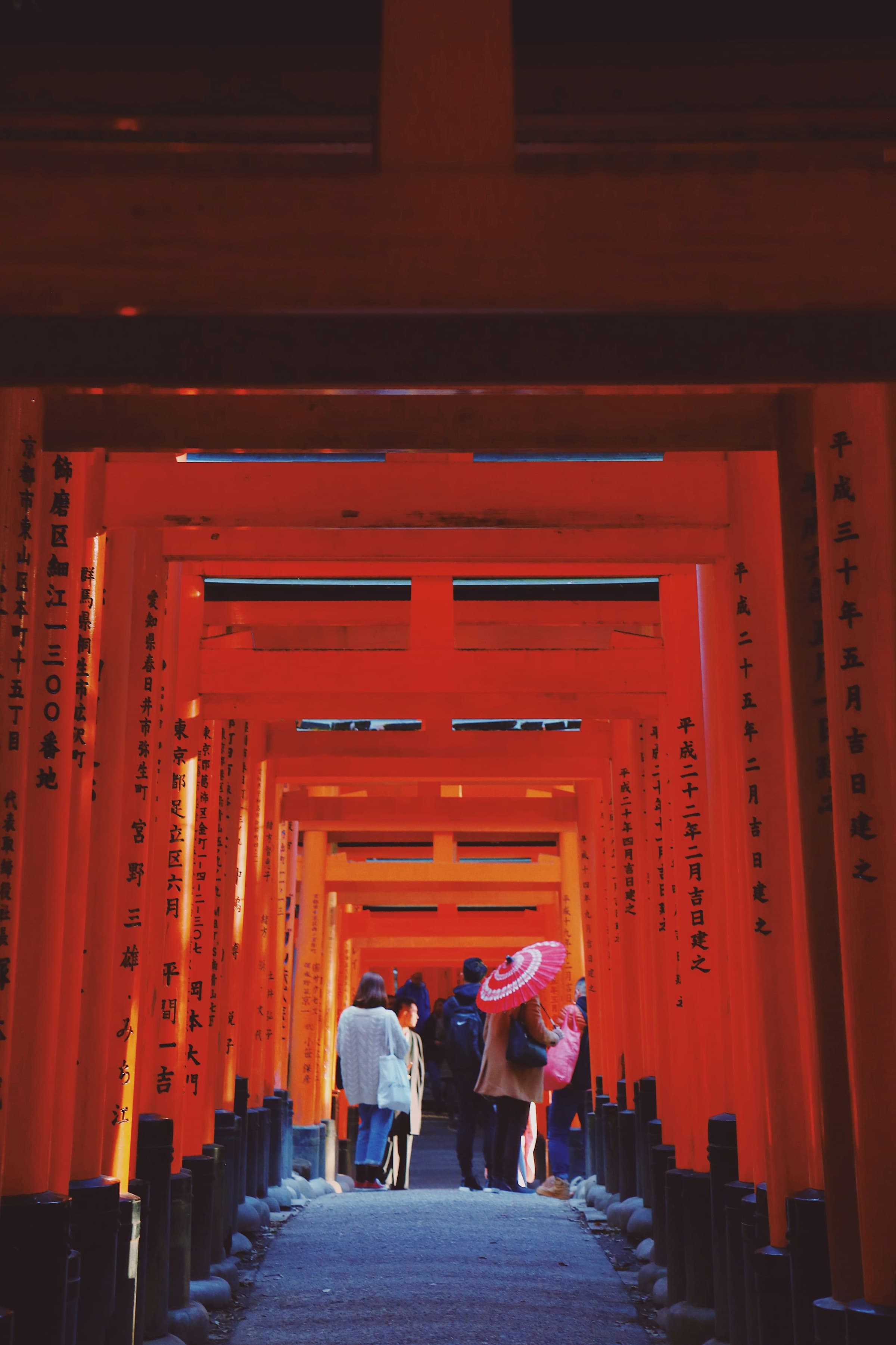
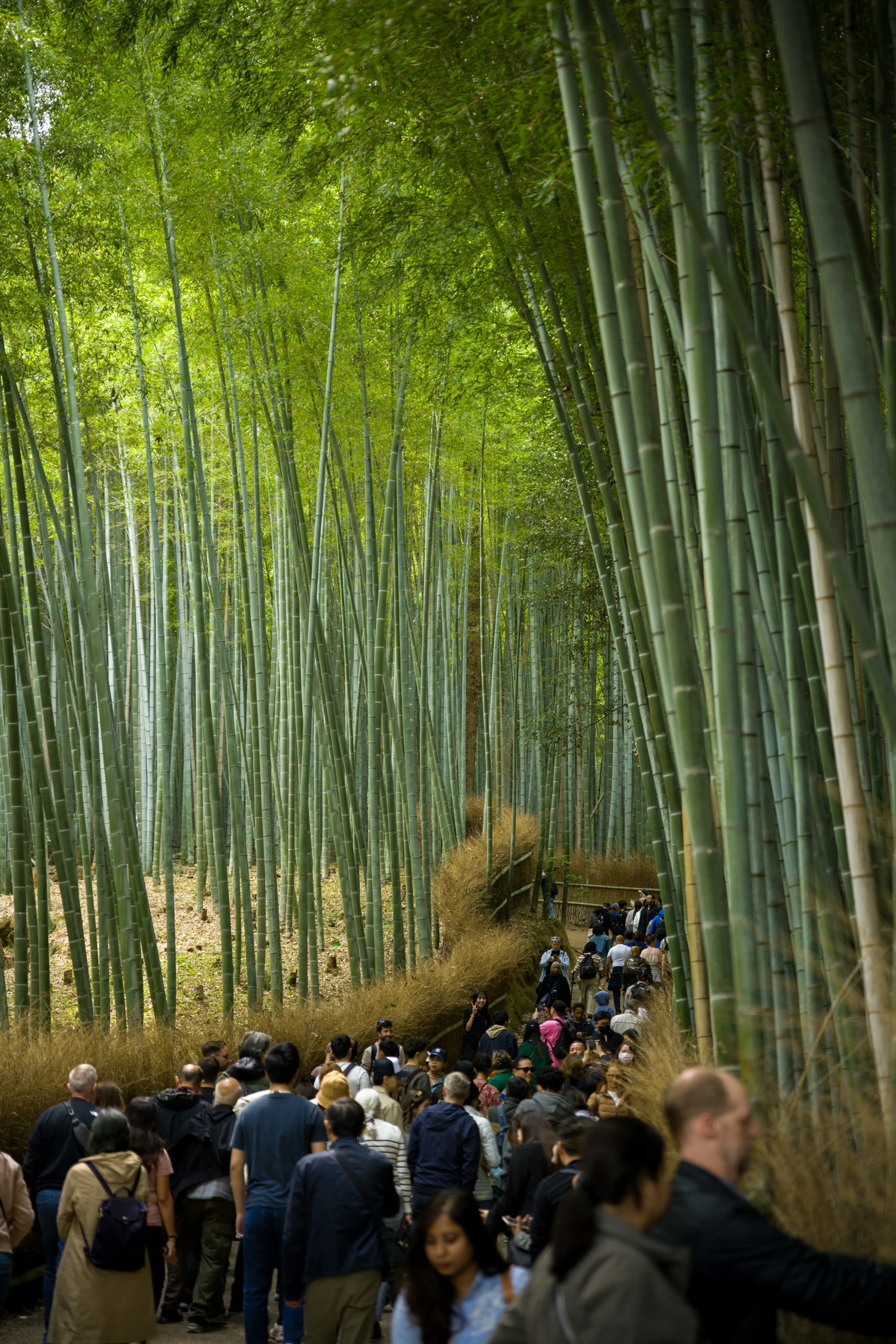
Kyoto is where the temple circuit belongs — bamboo groves in Arashiyama, geishas in Gion after dark, the Fushimi Inari shrine's 30,000 vermillion gates climbing the hillside.
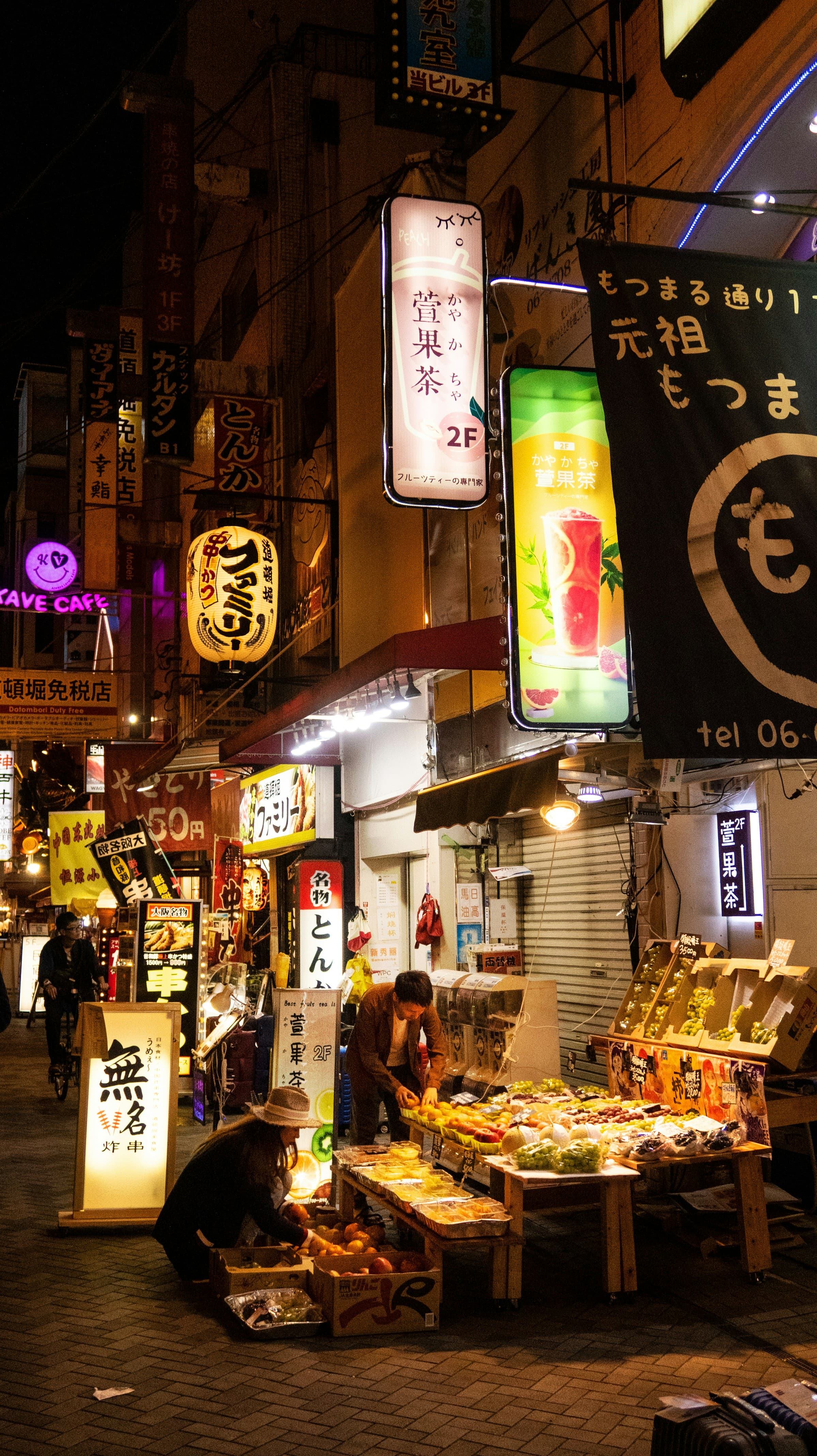
Osaka sits between them: street food, okonomiyaki cooked at your table, access to Hiroshima and Himeji Castle's white walls if your trip opens wider.
Japan pairs naturally with extended time — ten days feels fast once you're there.
Particularly good for
- First-time Asia travellers
- Food-led travel
- Photography-led trips
- Honeymoons
- Urban-to-temple circuits
Enquire
A Japan journey, built for your dates
Tell us who is travelling and roughly when. You will have an itemised proposal within one working day.
No price listed here on purpose — hotel category, season and group size move the cost more than the destination does. Tell us the basics and it comes back itemised, not guessed.
WhatsAppBOM
Mumbai
BOM
Tokyo
- Visa
- Japan entry requirements — visa requirements vary by traveller; we'll guide you on the current requirements
- Flight time
- 6–7 hours from Mumbai
- Best for
- Neon-soaked cities, temple walks, food obsessives
Or call +91 81085 31332
- 5+
- Years planning journeys
- 1,000+
- Happy customers
- IATA
- Accredited ticketing agency
- 1
- Named consultant per journey
- Currency
- Japanese Yen (JPY)
- Language
- Japanese
- Flight time
- 6–7 hours from Mumbai
Inside this circuit
What each country brings to Japan
Where each stop sits in the itinerary, and the handful of places within it worth building a day around.
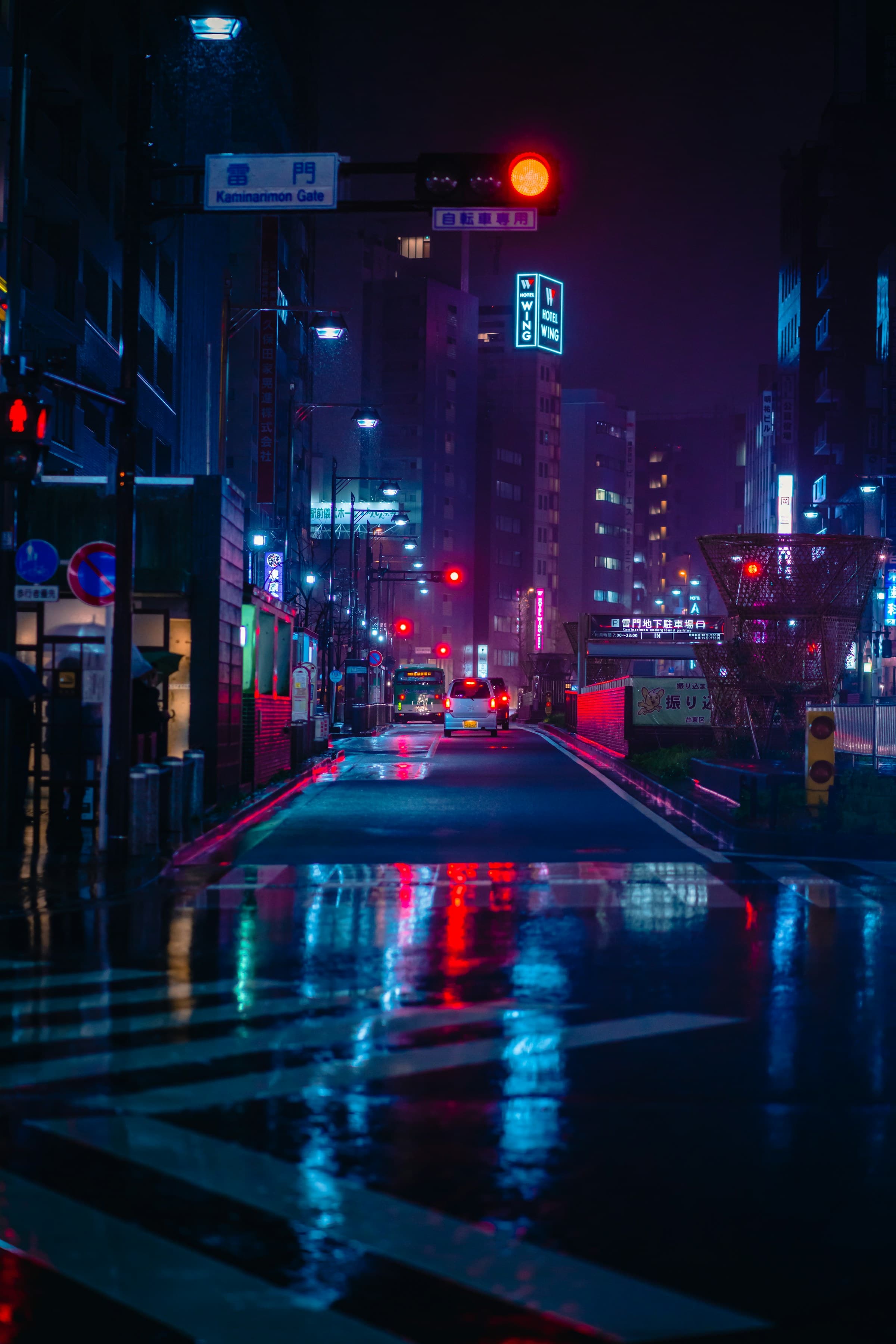
Tokyo, Japan
The entry point — organized chaos, neon, street food in tiny lanes.
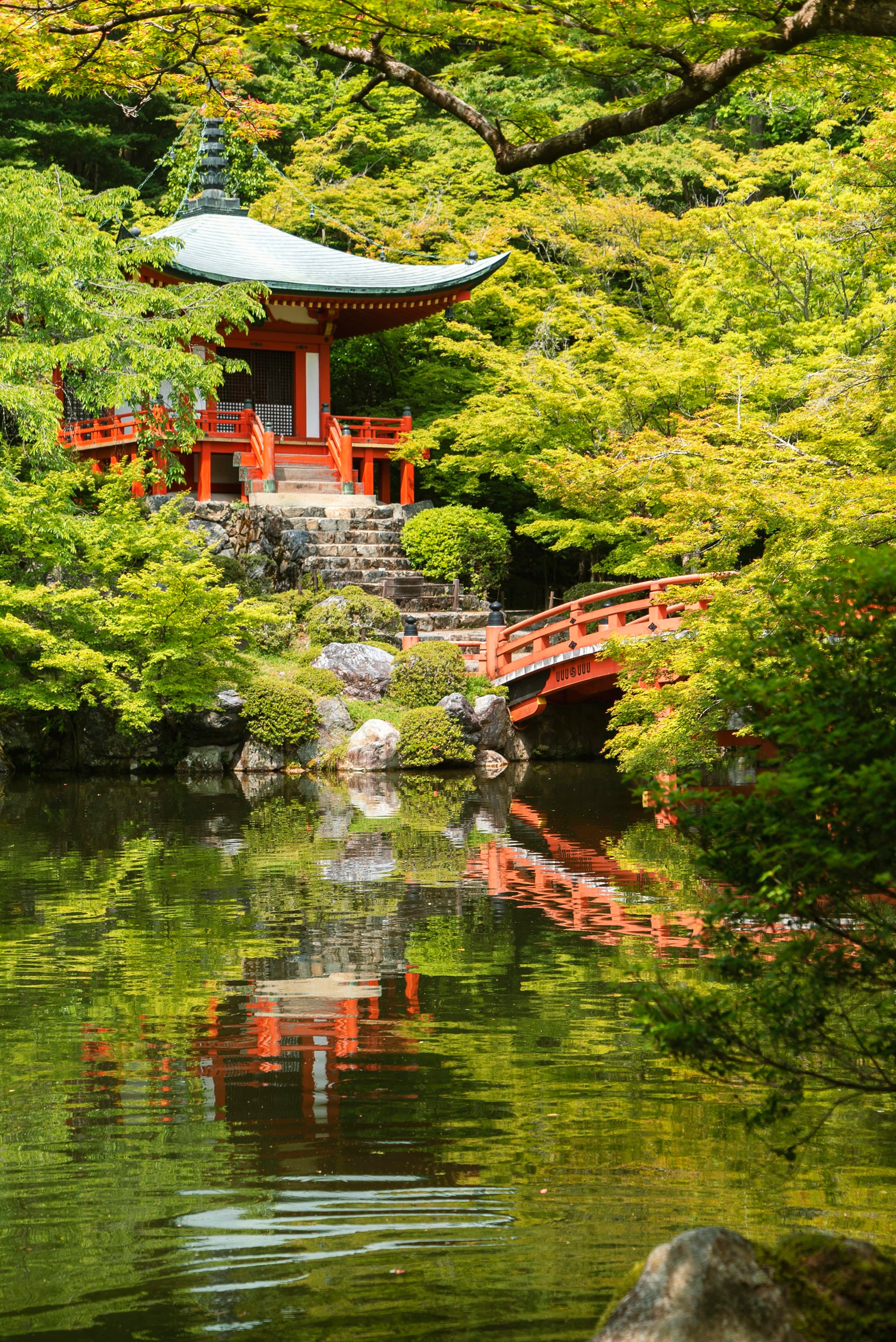
Kyoto, Japan
The temple and geisha circuit — bamboo groves, shrine gates, Gion's wooden machiya houses.
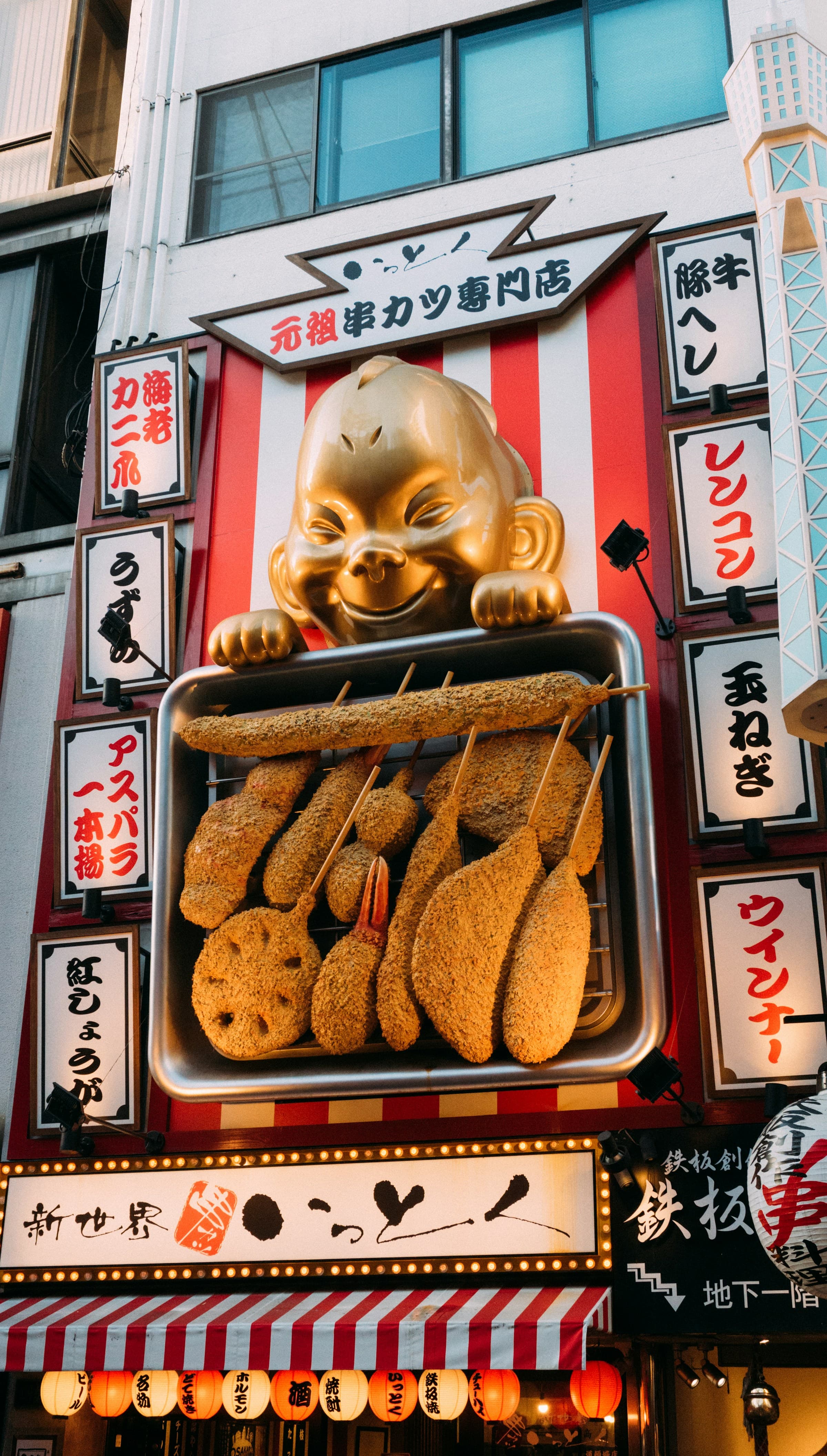
Osaka, Japan
Street food capital — okonomiyaki cooked tableside, takoyaki, and access to wider circuits.
Beyond the highlights
Things to do in Japan
teamLab digital art museums
Borderless, immersive light-and-projection installations in Tokyo and Osaka — genuinely unlike anything else, and popular enough that tickets are worth booking ahead.
An onsen (hot spring) evening
A ryokan stay built around a communal or private hot-spring bath is one of the most relaxing evenings a Japan trip offers, especially after a day of walking.
A sumo tournament or stable visit
Tournament tickets (six times a year) sell out, but several stables in Tokyo allow early-morning practice viewings even outside tournament season.
Cycling around Kyoto or the Shimanami Kaido
Kyoto is flat and bike-friendly for temple-hopping; the Shimanami Kaido is a longer, more scenic cycling route across the Seto Inland Sea for a more active day.
Akihabara after dark
Multi-storey arcades, retro game shops and anime stores — a different, neon-lit register from the temple circuit, worth an evening even if it is not your usual scene.
Eat
Food in Japan
- Sushi and omakase counters range from neighbourhood standing bars to multi-hour tasting menus — both are worth doing at least once.
- Ramen is regional: miso in Sapporo, tonkotsu in Fukuoka, shoyu in Tokyo — the "best" bowl genuinely depends on the city.
- An izakaya evening (small plates, drinks, no rush) is the most sociable way to eat in Japan and rarely needs a reservation.
- Kaiseki — Kyoto's formal multi-course tradition — is the counterpoint to street food, usually built around a ryokan stay.
- Department-store basement food halls (depachika) are an underrated way to eat well without a restaurant reservation.
- Convenience-store food (konbini) is a genuine part of the culture, not a last resort — the onigiri and sandwiches are better than they sound.
Shop
Shopping in Japan
- Shibuya and Harajuku for fashion, from high street to genuinely avant-garde.
- Akihabara for electronics, anime and retro games.
- Ginza for department stores and flagship luxury.
- Nishiki Market in Kyoto for food, knives and local crafts.
- Duty-free counters at Narita/Haneda/Kansai airports for a last stop before departure.
Who this suits
Is Japan right for your trip?
Family travel
Genuinely one of the easier long-haul family destinations — trains are punctual and clean, streets are safe to walk at night, and there is real kid-specific infrastructure (Tokyo Disneyland and DisneySea, Universal Studios Japan, teamLab's more playful installations). The one planning note: many older temples and traditional ryokan involve stairs and floor seating, so a trip mixing modern Tokyo with a shrine-heavy Kyoto stretch works better than an itinerary that is all temples.
Honeymoons
One of the strongest honeymoon destinations this agency plans for — a Kyoto ryokan stay with a private onsen and kaiseki dinner covers the quiet, romantic register, while Tokyo covers the energy and food scene. Cherry blossom season (late March–early April) and autumn foliage (November) add a genuinely photogenic backdrop, though both are also the most crowded and should be booked well ahead.
Adventure
- Hiking Mt. Fuji during the official July–September climbing season.
- Skiing or snowboarding in Hokkaido (Niseko) or Nagano, both known internationally for powder snow.
- Diving around Okinawa's reefs, a warm-water contrast to mainland Japan.
- Long-distance cycling on the Shimanami Kaido between Honshu and Shikoku.
One way to plan it
A suggested Japan itinerary
A realistic starting outline, not a fixed or booked itinerary — your consultant adjusts the pace, order and length once they know your dates.
- Day 1
Arrive Tokyo
Land, settle in, and ease into the city with an evening walk through Shinjuku or Shibuya.
- Day 2–3
Tokyo
A mix of neighbourhoods rather than a single checklist — Asakusa's Senso-ji in the morning, teamLab or Akihabara in the afternoon, an izakaya evening.
- Day 4
Tokyo to Kyoto, via Hakone or Mt. Fuji
Break the bullet-train journey with a night near Hakone for an onsen and a Fuji view, weather permitting.
- Day 5–6
Kyoto
Fushimi Inari at opening time before the crowds, Arashiyama's bamboo grove, Gion in the early evening.
- Day 7
Osaka and departure
A street-food-focused final day in Dotonbori before flying out of Kansai, or continuing on to Osaka's own sights if time allows.
What we arrange
The Japan we actually book
Not an exhaustive list of everything possible — the handful of things we think are worth building days around.
Bullet train between cities
The Shinkansen from Tokyo to Kyoto takes 2 hours 15 minutes and is a journey in itself — order bento from the station, take a window seat, watch the Japan Alps recede.
A Michelin-starred meal, counterbalanced by street food
Every tier exists here. One night a 10-course omakase at a sushi bar with three seats. The next: okonomiyaki from a cart, standing up, in Osaka.
Temple and shrine circuit
Fushimi Inari alone is worth a dawn start — 30,000 vermillion gates climbing the hillside. Arashiyama's bamboo grove at first light, before the tour groups.
When to go
Honest seasons, written for departures out of India
Including the months we would talk you out of.
October — this month
15-22°C
Autumn peak. Maple leaves turning. Perfect weather. One of the best months to visit alongside April.
November — next month
10-17°C
Late autumn. Peak foliage continues into early November. Cool mornings but brilliantly clear skies.
March – May
Spring — cherry blossom season (late March to early April), mild temperatures, everything in bloom.
June – August
Rainy season, then humid summer. Avoid unless you're chasing summer festivals.
September – November
Autumn — crisp air, maples turning red, the best time to visit after spring.
December – February
Winter in Tokyo is cool but dry. Hokkaido has snow; elsewhere it's just cold mornings.
Before you go
Travel tips
- Japan is still more cash-based than many first-time visitors expect, especially outside major cities — carry yen rather than assuming cards work everywhere.
- A Suica or Pasmo IC card (tap-to-pay) makes trains, buses and even konbini purchases far easier than buying individual tickets.
- Tipping is not customary and can cause confusion if offered — good service is simply expected, not additionally rewarded.
- Shoes come off at the entrance of most ryokan, some restaurants and all temples with interior floors — slip-on shoes make this much easier.
- Trains are for quiet commuting, not phone calls — put devices on silent, as most visitors quickly learn to.
- If a JR Pass suits your route, it must be bought and validated according to current JR rules — check the official JR website close to your travel dates, since pass terms have changed in recent years.
Questions
Japan — frequently asked questions
No — major stations, airports and most tourist sites have English signage, and translation apps cover the rest. It helps in smaller towns, but is not a barrier to a well-planned trip.
Ready to book
Japan packages with real dates
Dated departures — flights, stay and sightseeing already bundled in.
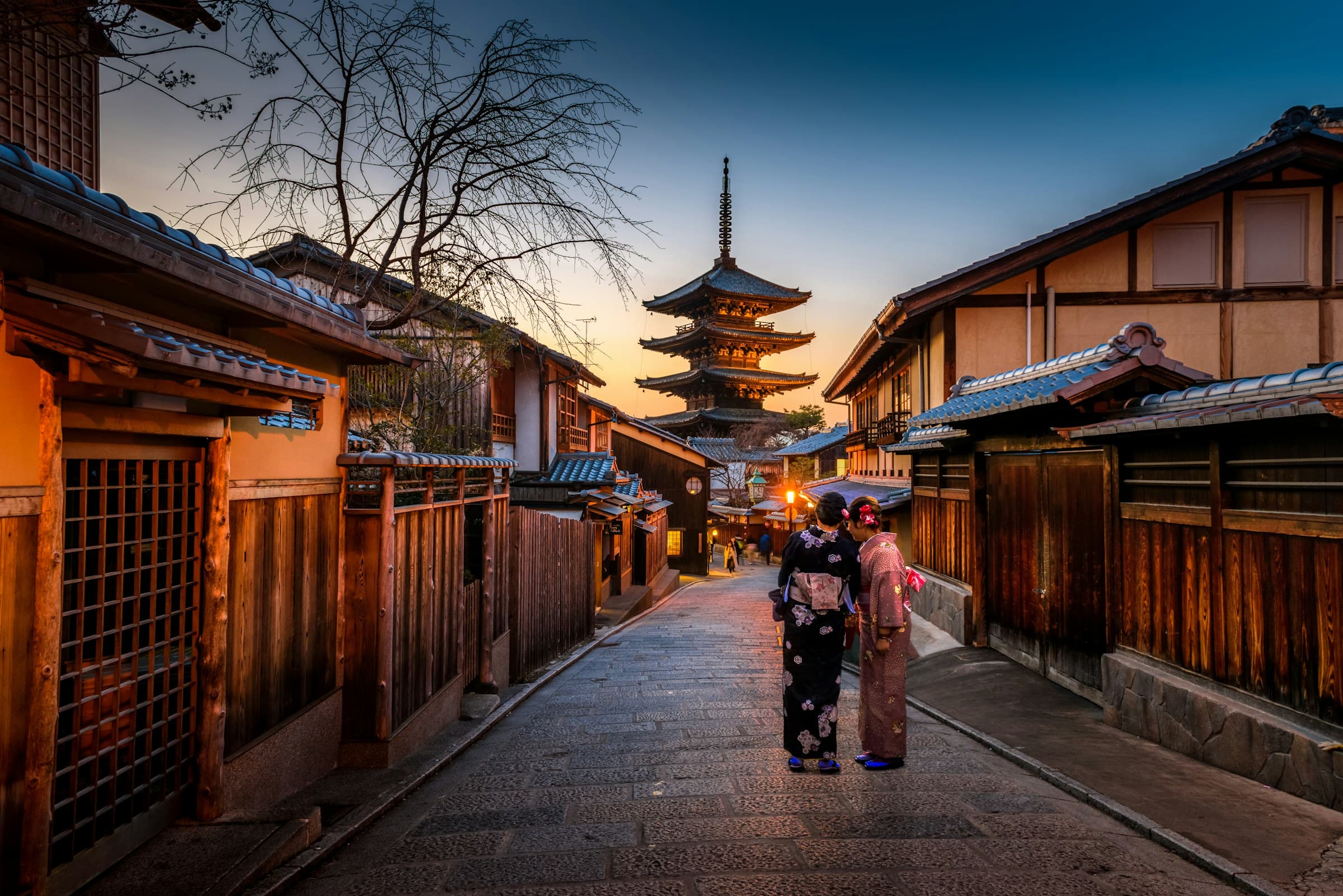
Also worth a look
Other journeys

Start here
Let's plan your Japan journey.
One conversation, then an itinerary with the reasoning attached — hotels named, inclusions listed, exclusions stated plainly.
Or call +91 81085 31332 · Monday – Saturday, 10:00 – 19:00 IST